
Walk through Hatton Garden on any weekday, and you will hear a familiar brief. The client wants a 1-carat diamond that looks brilliant, wears comfortably, and represents sound value. The appeal is logical. Around 1.00ct, you gain meaningful finger coverage, strong light return, and a sense of occasion that smaller stones rarely deliver. Yet blanket internet advice seldom fits the realities of London’s specialist district, where craftsmanship, metal choice, and precise grading can shift a quote by thousands.
A strict rule like three months’ salary no longer applies. Sensible budgeting in 2025 starts with an honest hierarchy of what the eye sees first, then allocates spending to the factors that drive beauty and longevity. In practice, that means protecting the cut grade, considering colour and clarity in relation to your chosen metal and setting style, and using workshop techniques that maximise spread without compromising security.
This guide sets out clear price bands for complete rings, shows how to leverage Hatton Garden know-how to reduce costs without sacrificing performance, and explains when lab-grown diamonds make sense compared to natural diamonds with long-term provenance. It also covers metal selection, maintenance, valuation, and the small technical choices that make a 1.00ct look its best. The aim is simple. You finish with a ring that looks exceptional on day one and remains a pleasure to own for decades.
Price tiers for a complete 1-carat ring in 2025
Expect the final price to reflect the diamond’s 4Cs plus the engineering of the setting. As a working framework for a classic solitaire made in Hatton Garden, three tiers cover most client briefs.
Entry-level value. Natural diamonds around I colour and SI1 clarity, provided the stone is eye-clean, set in 18ct gold or classic platinum. A comparable lab-grown diamond can reach F colour and VVS1 clarity at this tier. Typical completed ring targets: £2,500- £4,000 for LGD, £5,000- £7,000 for natural.
Premium quality. Natural diamond around G colour and VS2 clarity with an excellent cut, mounted in 18ct or platinum with refined finishing. Completed ring targets: £8,000-£12,000 for natural. LGDs at this spend level often move into top grades rather than this mid-tier.
Investment grade. Natural diamond at D to F colour with VVS clarity, superlative cut, and a handcrafted mount. Completed ring targets start from £15,000 for natural. A D IF lab-grown of the same size costs materially less, yet it is a luxury purchase rather than an investment object.
Across all bands, the cut grade is non-negotiable. Insist on Excellent or Ideal and a light performance that your eye recognises in normal conditions. Brilliance is what you wear daily.
How to allocate budget across the 4Cs for maximum visual return
Cut first. Cut quality governs brightness, fire, and scintillation. In a 1.00ct stone, a mediocre cut wastes both budget and potential spread. Keep table, depth, and symmetry within tight tolerances and verify with images or performance data where available.
Colour next. In a solitaire, the viewing distance softens tiny colour steps. G or H colour delivers a near colourless face-up appearance in both platinum engagement rings and yellow gold mounts. If your setting includes warm metal or vintage styling, an I colour can look charming and significantly reduce cost.
Clarity last. Seek VS2 or a well-chosen SI1 that is eye clean. Claws can cover inclusions near the girdle. Avoid crystals in the table that are visible at a glance. You pay for what you cannot see; let that guide your spending.
Carat with nuance. Carat is weight, not width. Two 1.00ct stones can differ in diameter by several tenths of a millimetre. Favour measurements around 6.3 mm to 6.5 mm for a round brilliant with optimal depth. Ask for millimetres, not just carats.
Use the magic size window to save without sacrifice
A 0.90ct to 0.99ct round can look indistinguishable from a 1.00ct in the hand. The face-up spread is close, the visual impact is nearly identical, and the psychological premium attached to the full number disappears. In many cases, the savings range from 15% to 25% compared to a stone weighing 1.00ct. Combine this with H colour and VS2 clarity, and you often end up with a ring that looks like a higher tier at a lower outlay.
Natural versus lab: What changes for your budget and goals
Natural diamond. Suits buyers who value geological rarity, secondary market resilience, and the traditional symbolism associated with mined stones. A well-chosen natural diamond with GIA grading and strong make remains the default for heirloom intent.
Lab-grown diamond. Suits buyers who want maximum visual size and top paper grades at a lower outlay. LGD lets you select D colour with IF or VVS1 clarity, while still retaining budget for a handcrafted mount. Understand that pricing reflects scalable production and does not track the collectability of natural stones.
Either route can be excellent jewellery. The decision is not moral; it is strategic. Anchor it to your priorities around legacy, budget efficiency, and future flexibility.
Metal choice that protects your spending and your stone
Platinum. Dense, naturally white, and work hardening under wear. Ideal for claws and baskets because it grips a 1.00ct securely, and the white tone recedes against the stone. Expect a premium of 0% to 20% over 18ct white gold, depending on design.
18ct white gold. Intense, bright, and cost-efficient. Requires rhodium plating during service to keep a crisp white finish. A wise choice for budget-conscious solitaires and a classic partner for pavé shoulders.
18ct yellow gold. Permanent colour and easy to refinish. A yellow shank paired with a platinum head combines warmth on the hand with cool security around the stone. This two-tone solution is standard in Hatton Garden jeweller workshops for performance and aesthetics.
18ct rose gold. Sophisticated in vintage-inspired designs and striking with elongated shapes. Consider a platinum or white gold head to avoid warm reflections in the stone.
Setting engineering that makes a 1-carat look larger
Small structural choices add presence without chasing extra weight.
Slim, balanced band. A shank around 1.8 mm to 2.0 mm creates contrast that amplifies the head. Too thin risks deformation; too thick makes the diamond look smaller.
Refined claws. Talon or rounded claws executed in platinum secure the stone and keep the outline crisp. Overbuilt prongs block light; underbuilt prongs risk movement. The workshop should show you the claw style in wax or CAD before casting.
Hidden halo. A discreet row of melee just under the girdle throws light back into the pavilion and adds sparkle from the side without turning the ring into a showy classic halo. The effect is elegant and budget-efficient.
Gallery detail. Hand piercing under the head reduces weight, improves cleaning access, and adds character. In the hand, these refinements read as quality even when they are not visible head-on.
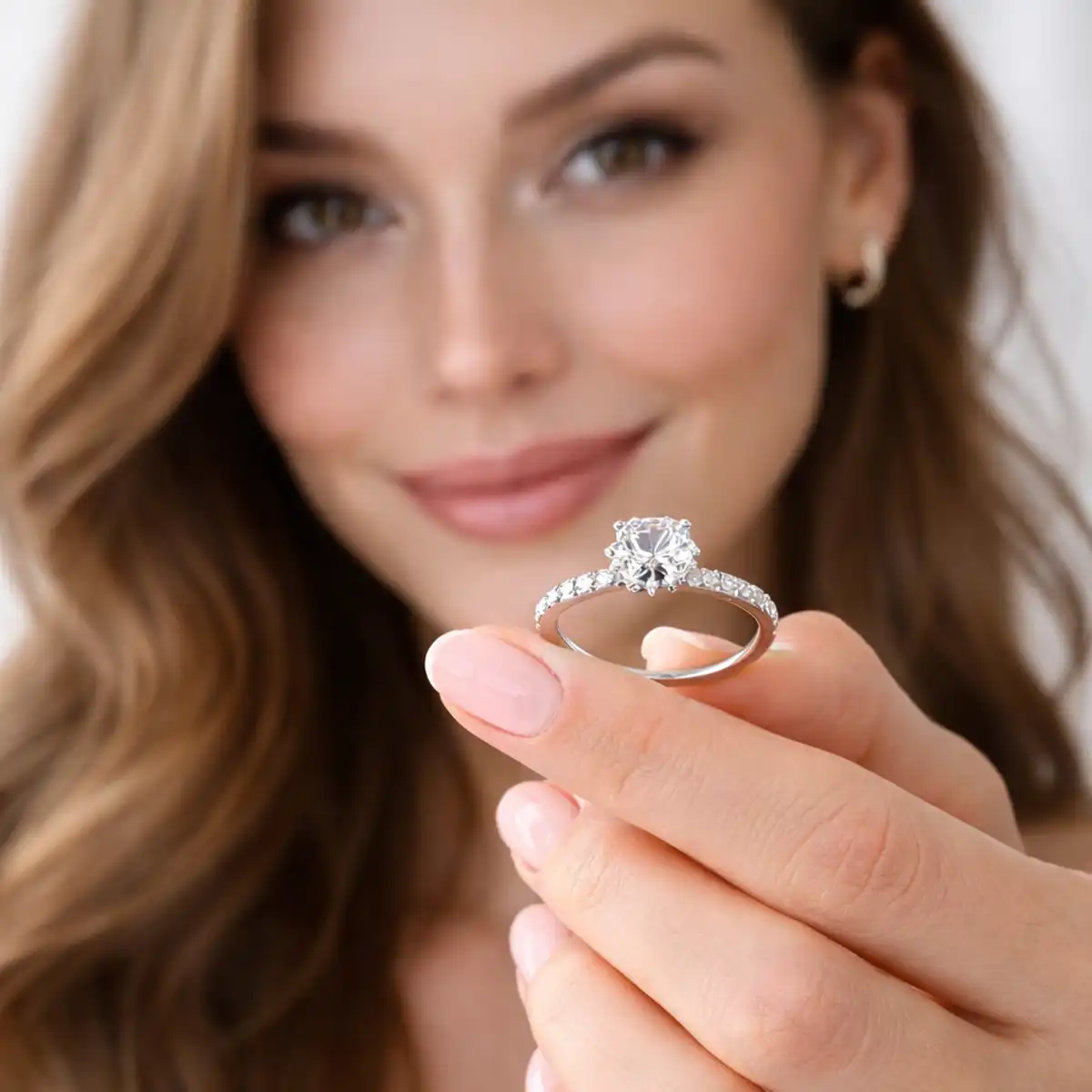
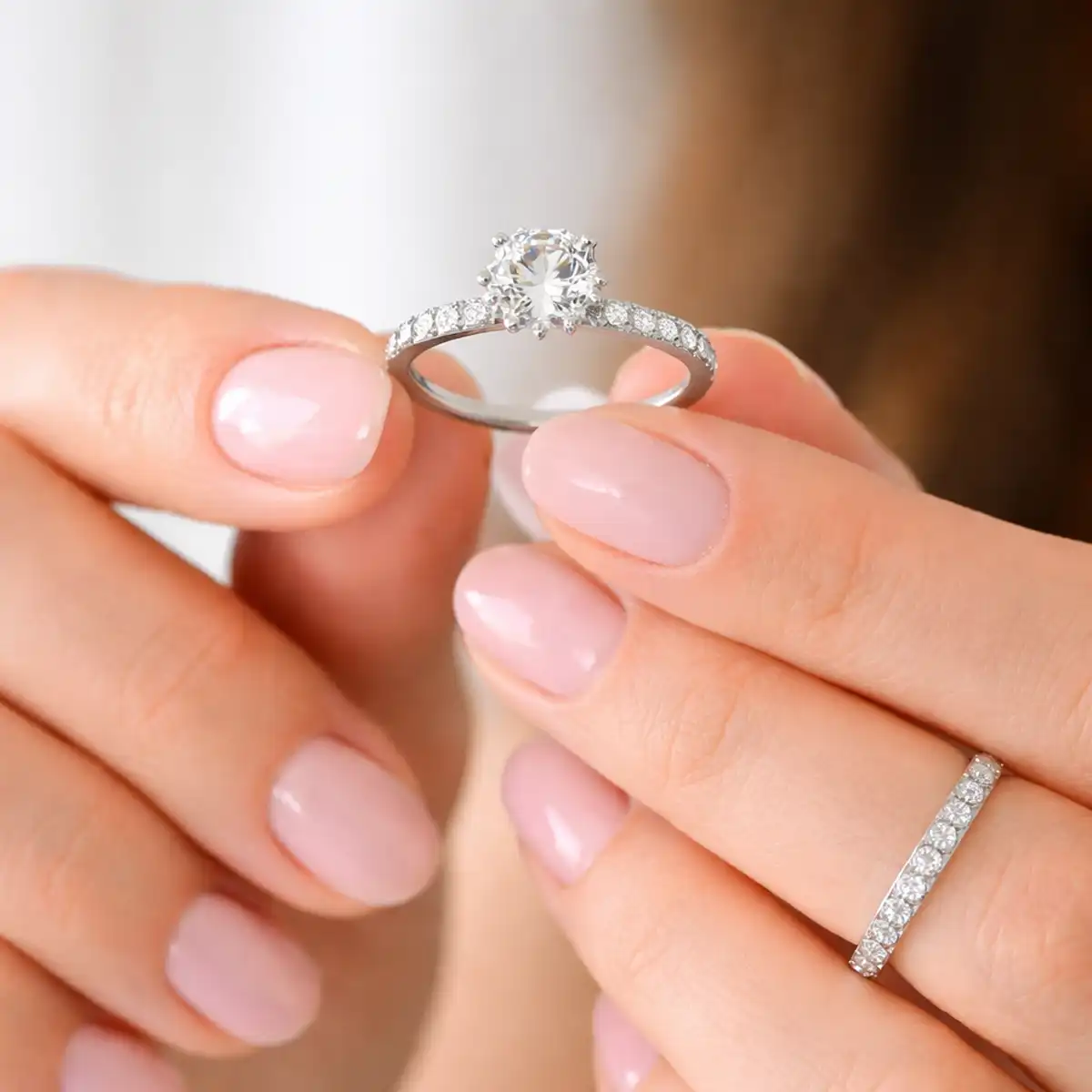
Shape selection that stretches value without losing brilliance
Round brilliant commands the highest per-carat price because it maximises light return and popularity. If you love the classic round, keep it. If you are open to alternatives, shapes with strong economies can increase face size at a given spend.
Oval. Often shows a larger footprint per carat and pairs well with slender bands. Vet for bow-tie shading and ensure a symmetrical outline.
Cushion. Romantic and versatile, available in brilliant and crushed ice looks. Prices are typically lower than round for comparable grades.
Emerald and Asscher. Step cuts reward high clarity: Prioritise VS and above, perfect symmetry, and precise corner protection in the mount.
Pear. Elongates the finger and offers attractive value. The point needs robust clawing and careful setting to avoid chipping.
Certificates and reports that underpin trust and insurance
For natural stones, a GIA diamond certificate remains the benchmark. HRD and other European labs are also respected in specialist circles. For LGD, IGI is widely used and offers clear laser inscription and disclosure language. Always cross-check the printed grades with the stone under natural lighting and a loupe in the showroom.
After purchase, secure an independent valuation for insurance using the lab report, detailed mount description, and photographs. Keep the valuation updated as prices move and revisit every 2 to 3 years or after significant repair.
Bespoke or catalogue: how to decide for your budget
Catalogue mount. Faster, more consistent, and more cost-effective. Ideal for classic solitaires and pavé bands where standard proportions deliver.
Bespoke build. Tailored to finger shape, lifestyle, and exact stone geometry. Expect a premium of £ 500- £ 2,000+ for hand engraving, filigree, or complex galleries. For many clients, the uplift is justified by comfort, individuality, and long-term serviceability, as the workshop stores your design files or masters.
A mixed approach works well. Use a proven basket-and-band architecture, then elevate with custom claw tips, a shaped wedding band fit, or a subtle hidden halo.
Maintenance and service that protect appearance and security
A 1.00ct stone deserves routine care. Plan for professional cleaning and inspection every 12 to 18 months. The jeweller will check for claw movement, retighten if needed, and restore the finish. White gold owners should budget for periodic rhodium plating. At home, use a mild, non-abrasive solution and a soft brush, avoiding ultrasonic cleaners if your ring features pavé or fragile ornaments.
Common mistakes that waste budget and how to avoid them
Chasing the number. Paying a steep premium to move from 0.98ct to 1.00ct while sacrificing cut or clarity is rarely a smart move. Choose the better one every time.
Overlooking millimetres. A deeply cut 1.00ct can look smaller than a well-cut 0.95ct. Always ask for the diameter.
Buying on paper alone. Identical grades can look different. See the stone in real light and compare side by side.
Under researching metal. Opting for the cheapest alloy can increase service costs later. Know the total cost of ownership, not just the ticket price.
Ignoring lifestyle. If you work with your hands, low profiles and robust clawing matter more than delicate cathedral heights.
Worked budgets for real-world briefs
Classic solitaire under £4,000. Choose a 0.93ct to 0.97ct LGD in D to F, VVS to VS, Excellent cut. Mount in 18ct white gold or yellow shank with a platinum head. Expect a refined, bright result with a strong presence.
Natural diamond around £7,500. Target a 0.90ct to 0.96ct natural in H colour, VS2 clarity, Excellent cut with clean table. Set in platinum with a slim band and an elegant four-claw head. You gain near 1.00ct optics and intense day-to-day sparkle.
Heirloom intent from £15,000. Select a 1.00ct natural in E to F colour, VVS clarity, precision cut. Commission a hand-finished platinum mount with a hidden halo and a contoured wedding band fit. You pay for rarity, finish, and lasting significance.
Buying checklist for Hatton Garden that keeps you on track
- Define priorities in order of importance. Cut, then colour, then clarity, then carat spread.
- Shortlist stones with full measurements and, where available, videos.
- Compare under neutral lighting and natural daylight, not just spotlights.
- Confirm lab report, laser inscription, and workshop warranty.
- Choose the metal based on lifestyle and long-term finish preferences.
- Finalise setting height, band width, and claw style for comfort and security.
- Arrange an independent valuation and verify the insurer’s requirements.
- Schedule service dates at purchase so maintenance is never missed.
Fun fact: The modern round brilliant was standardised by Marcel Tolkowsky in 1919, whose calculations for angles and proportions still guide many of today’s most desirable 1-carat cuts.
Frequently asked questions with concise answers
Is a 1-carat ring big enough for London tastes? Yes. On most hands, a well-cut 1.00ct reads as significant yet elegant. Design choices can further enhance that impression.
Do I need platinum? Not always. Platinum is excellent for claws. A white gold or yellow shank can control cost while retaining a platinum head for security.
Will an LGD scratch more easily? No. Diamond is diamond. Durability is identical. The difference is in origin and pricing dynamics, not hardness.
How often should I replate white gold? Frequency varies by wear. Many clients replate annually during routine checks.
What is eye clean? A stone whose inclusions are not visible to the unaided eye at a normal viewing distance and standard lighting.
Conclusion: choose brilliance first, then let the numbers follow
A great engagement ring purchase is not guesswork. It is a sequence of wise choices that respect physics, aesthetics, and your budget. Protect the cut grade, and you protect what the eye loves. Use the 0.90ct to 0.99ct window to unlock savings without losing presence. Match the metal and setting to your lifestyle, then maintain the piece with simple, regular care. Whether you select a storied natural diamond or a perfectly graded lab-grown diamond, the goal is constant. A ring that shines with conviction today and still feels right when you pass it on. As the saying goes, good things come to those who plan.