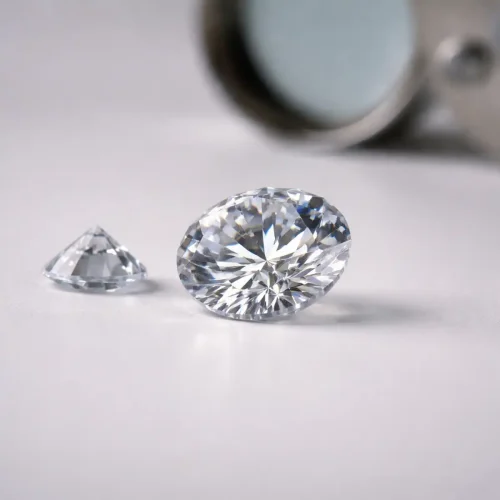
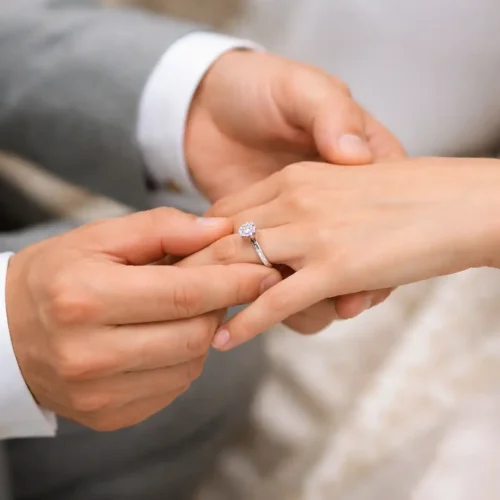
The 3-carat engagement ring sits in a rare sweet spot. It commands attention on the hand, yet it can be achieved with a disciplined plan that respects both taste and budget. In London this year, clients are approaching the 3-carat target with sharper expectations. They want brilliance that lights a room, credible paperwork, and settings that read as refined from every angle. They also want the confidence that comes from transparent decision-making.
Hatton Garden has long specialised in that kind of precision. Master setters and bench jewellers here think in millimetres, not slogans. They know that a 9.3 mm to 9.5 mm spread on a well-cut round brilliant is what makes a 3.00 ct stone look like it truly belongs on the finger. They know that a platinum head can fade into the background, so the diamond carries the scene. They also know when a touch of hidden halo brings life to the profile without stealing focus from the centre.
This guide translates that workshop knowledge into practical choices. It explains where to spend for maximum visible effect, where to save without compromise, and which design moves amplify apparent size. Above all, it shows how an expertly crafted 3-carat engagement ring can deliver affordable luxury without compromising craft or character.
The investment case for three carats in 2026
A 3-carat centre stone marks a threshold. It signals intent, it holds space in a room, and it can act as a store of value when chosen with care. The focus for 2026 is not simply bigger for the sake of it. It is bigger with balance. The goal is to achieve a striking presence with the optical performance that makes daily wear a pleasure.
In practice, that means prioritising cut above all else. Cut quality governs light return, scintillation, and fire. It also regulates spread, which is the visible footprint on the hand. A poorly cut 3.00 ct diamond may face up smaller than a finely cut 2.80 ct stone and will cost more while delivering less. Keeping an eye on the diameter and depth keeps the budget working where it is most visible.
The optimal 4C balance for a 3.00 ct diamond
The 4Cs are not equally impactful at this size. Cut remains non-negotiable. Colour and clarity can be tuned to suit taste, metal choice, and mounting style, provided the stone is eye clean and faces up bright.
Cut grade
Hold for Excellent or Ideal in laboratory terminology. For rounds, verify table and depth ranges, symmetry, and polish. Ask for the millimetre dimensions, not just headline grades. For fancy shapes, assess length-to-width ratios, corner integrity for princess and radiant shapes, and bow tie visibility in ovals and pears.
Colour grade
In a platinum head, G to I offers a clean look for most eyes, with I often reading as crisp when the cut is substantial. In a yellow gold engagement ring, H to J can still look fresh because warm metal creates a flattering contrast. Antique-inspired mountings with millegrain and coronet details further soften the perception of tint.
Clarity grade
VS2 to SI1 can be a superb value if inclusions sit under prongs or near the girdle and do not disrupt light. This is where a Hatton Garden gemmologist earns trust. They turn paper into a seen reality. For step cuts, where inclusions are more visible, lean toward VS. For brilliant cuts, well-placed SI1 can be effectively invisible to the unaided eye and unlocks budget for a superior setting.
Carat weight and spread
Carat is weight, not size. Confirm that the spread delivers the look. For a 3.00 ct round, a diameter of 9.3 mm to 9.5 mm indicates efficient use of weight. Stones cut too deeply hide mass where it does not serve the face-up view. A discipline for spread protects both beauty and value.
Lab-grown or natural, the 2026 pathway
Lab-grown diamonds redefine the 3-carat conversation for clients who want maximum scale and optical purity with a measured spend. A D colour, VVS clarity, and an Excellent cut for a 3.00 ct lab-grown stone can allocate more budget to craft. That might mean a hand forged platinum basket, meticulously aligned micro pavé, or a tailored hidden halo that lifts the centre without visual bulk.
Natural diamonds continue to anchor the heirloom conversation. They have a long history in the secondary market and remain the choice for collectors who prioritise rarity and legacy. For a 3-carat natural purchase, be selective about provenance and grading lab. GIA remains the reference for consistent diamond certification, while IGI has a significant presence in lab-grown diamonds. In both cases, read beyond the headline grades and confirm the measurements and plotting in person with a trusted advisor.
Settings that make three carats look larger
The mounting can add perceived size without increasing the cost of the centre stone. Precision metalwork frames the diamond, shapes the silhouette on the hand, and sets the tone of the piece.
Ultra-thin solitaire band
A band between 1.8 mm and 2.0 mm exposes more skin on either side of the stone. That negative space makes the diamond read larger. A slightly rounded, comfort-fit interior enhances wearability for daily use.
Platinum head with refined prongs
Platinum’s density supports a heavy centre securely. It also appears cool white, which makes it recede. Keep claws fine, equal, and evenly tensioned. Taper them so the top view reads delicate while the side view holds strength. This approach gives a crisp outline and encourages light to enter from every angle.
Hidden halo for lift and light
A single row of micro pavé set just below the girdle adds a subtle halo of light that reflects into the pavilion. It supports the gallery, adds sparkle to movement, and leaves the stone’s face uncluttered. For oval, pear, and cushion shapes, a tailored hidden halo can also stabilise the setting geometry while adding a discreet layer of fire.
Knife-edge or pinched shoulders
A knife-edge shank or pinched shoulders focus the eye toward the centre. The geometry funnels attention and heightens the sense of size without visual weight. In yellow gold, that line can be softened with hand-polished edges for comfort.
Two-tone discipline
Combining an 18ct yellow gold shank with a platinum head brings the best of both. The shank supplies warmth and tradition. The head preserves colour neutrality in the stone. The join must be seamless and aligned so the design reads as one thought.
Shape-by-shape guidance at three carats
Different shapes achieve presence in distinct ways. Each asks for specific due diligence.
Round brilliant
Maximal sparkle and strong spread. Over the 3-carat line, the symmetry of the make becomes more visible. Insist on balanced arrows when assessed under an idealscope or hearts and arrows viewer, if available.
Oval
Sleek on the finger, with generous face-up size per carat. Screen for bow tie. Seek even brightness across the centre. A hidden halo and a north-south platinum basket work well.
Cushion
Choose your style deliberately. Modern cushions emphasise brilliance with a crushed ice or modified facet pattern. Antique cushions favour broader flashes and suit period details such as millegrain and hand engraving. Both can be glorious at 3 carats when the outline is even, and the corners are protected.
Emerald cut
Elegant and honest. Clarity matters more because the step facets reveal the interior. Emphasise perfectly parallel steps, tight corners, and a measured length-to-width ratio of 1.30 to 1.40 for classic proportions. A slim halo or double claws can add gravitas without noise.
Pear and marquise
Dramatic lines with excellent apparent size. Confirm straight, well-balanced shoulders and a centred point. Partial bezels or talon claws protect the tips. Pears benefit from a custom seat that prevents spin and keeps the point aimed along the finger.
Metal choices that influence colour and mood
Metal alters the reading of colour and the character of the ring. It also governs long-term upkeep.
Platinum
Durable, dense, naturally white, and hypoallergenic. It develops a soft patina that many find elegant. Ideal for the head and prongs that carry a heavy 3-carat stone.
18ct yellow gold
Warm and luxurious with an excellent balance of strength and workability. Enhances vintage-inspired details and can make near-colourless stones appear whiter through contrast. Requires only periodic polishing with no plating.
18ct rose gold
Romantic and distinctive. Pairs beautifully with oval and cushion shapes. Best with a platinum head to keep colour out of the diamond.
White gold
Bright when freshly rhodium-plated. Needs maintenance plating over time. Consider white gold for the shanks, with a platinum head handling the structural demands.
Workshop details that signal quality
Small decisions in craft separate a good ring from a great one. These details add comfort, longevity, and a refined finish.
Seat geometry
The bearing the stone sits on must be even and continuous. This protects the girdle, stops rattling, and encourages consistent light return.
Claw finishing
Prong tips should be smooth and symmetrical with no sharp catching points. Talon claws can look sharp yet feel soft if executed correctly.
Under gallery architecture
A thoughtful gallery keeps the height elegant, stabilises the ring on the finger, and makes cleaning simple. It also adds beauty when viewed from the side.
Proportional balance
At 3 carats, the relationship between head size, shoulder thickness, and band width must be considered as a single composition. When these parts are proportionate, the ring feels calm and expensive.
Fun fact: The thin wedding band trend started as a 20th-century cost-saving measure, yet it endures because narrow bands make centre stones look larger and more luminous.
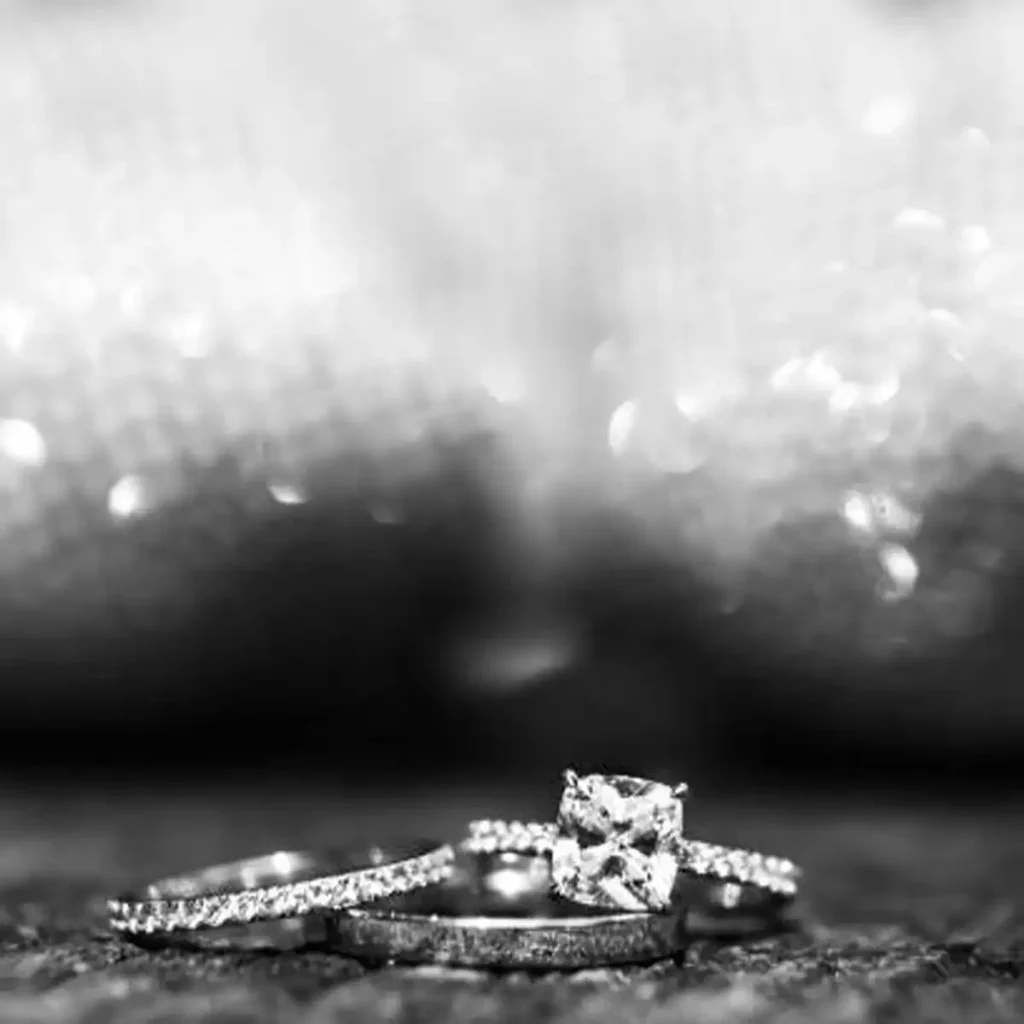
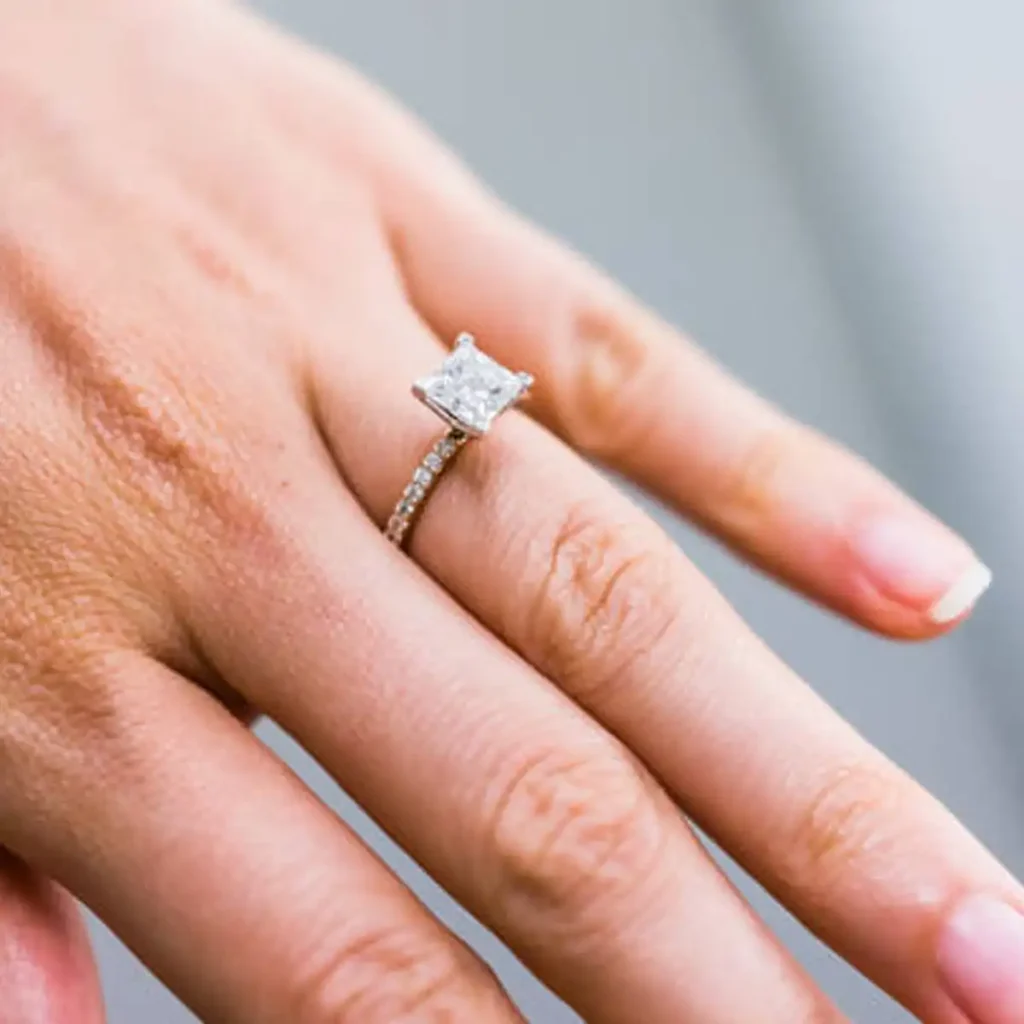
Budget frameworks that protect the look
A 3-carat goal benefits from a clear spend map. Allocate the budget to the visible value first. That means cutting, spreading, and setting craft. Then tune the colour and clarity to match the mounting and metal choices. The following approaches work reliably in London this year.
Value-led natural
Seek a GIA graded round brilliant around H to I colour, VS2 to SI1 clarity, Excellent cut, excellent symmetry and polish, with a diameter of 9.4 mm. Please place it in a platinum head with a slim 18ct yellow gold shank. Add a discreet, hidden halo to lift life. This mix reads classic, faces up bright, and respects spending.
Design-led lab-grown
Opt for a D to F colour, VVS clarity, and an Excellent cut lab-grown centre. Invest the unlocked budget in a hand-finished platinum mounting with French cut micro pavé on the shoulders and a refined halo under the girdle. The result looks couture yet sits within a measured outlay.
Heritage statement
Choose an antique-style cushion or emerald cut around G to H, VS clarity, with a strong spread. Mount in yellow gold with coronet or double claw details, engraved shoulders, and a platinum head. The vintage language raises perceived value and keeps the piece timeless.
How to read a grading report with purpose
Reports are tools, not verdicts. Use them to confirm what your eyes see and what your jeweller explains.
Measurements
Check diameter or length by width, total depth, and table. Ensure they align with known sweet spots for the shape.
Angles and percentages
For rounds, crown angle, pavilion angle, and lower half length matter. They influence fire and spread. Balanced angles produce balanced light.
Clarity plot
Locate inclusions relative to the prongs and the table. Ask whether they are white or dark, and whether they are single or clustered. Understand if they risk durability.
Fluorescence
Faint to medium can add charm to some stones and remain invisible in daily wear. Strong can be fine when the stone does not appear oily. View in varied lighting.
Laser inscription
Confirm that the report number is inscribed on the girdle. This helps with identification and peace of mind.
Design languages that flatter three carats
Style is not an afterthought. The correct language elevates a 3-carat centre from large to beautiful.
Edwardian lightness
Millegrain edges, airy filigree, and coronet settings frame a large centre with a lace-like touch. The stone seems to float.
Art Deco order
Step cut side stones, geometric shoulders, and architectural galleries add poise to cushions and emerald cuts. Precision is the key.
Modern sculpture
Knife-edge bands, elliptical profiles, and mirror-polished surfaces provide an uncluttered stage for a round brilliant. Minimal elements done perfectly feel current and intentional.
Practical care for daily confidence
A 3-carat ring is a daily companion. Keep it secure, clean, and balanced so it stays bright and feels comfortable.
Security checks
Schedule annual inspections. Have prongs tightened and tips refreshed when needed. After accidental knocks, arrange an immediate check.
Cleaning routine
Warm water, mild soap, and a soft brush keep the pavilion free of oils. Ultrasonic cleaning is excellent when the setting and stones are secure.
Ergonomics
A slightly rounded interior and a base width of 2.0-2.5 mm improve stability for daily wear. Balance head height so it clears pockets and sleeves without snag.
Frequently asked buyer questions answered.
Will an I colour look warm?
In a platinum head, it reads near colourless when the cut is substantial. In yellow gold, it can appear brighter due to contrast. View side-by-side to confirm your preference.
Is SI1 safe at 3 carats?
Often, yes, when inclusions are minor and well placed. Avoid surface-reaching feathers at tension points. Let a trusted jeweller guide placement under claws.
Does a hidden halo make the ring bulky?
Not when designed with restraint. The right hidden halo adds lift and light while keeping the face clean.
Is lab-grown suitable for a future heirloom?
It makes a beautiful ring now and for decades to come. If you want a track record in secondary markets, natural remains the conservative choice. The correct answer depends on priorities.
Bringing it together in Hatton Garden
The most successful 3-carat rings in London this year share a pattern. They honour cut. They balance colour and clarity with metal and setting. They use workshop techniques to make the size appear larger without making it feel heavy. They keep the profile elegant and the hand comfortable.
Work with specialists who show you the numbers and then prove them at the bench. Ask to see stones in daylight as well as spot lighting. Handle finished mountings to feel balanced. When the decisions align, a 3-carat ring becomes more than a number. It becomes a personal classic made for your hand.
Conclusion: the art of strategic luxury
A 3-carat engagement ring does not require an unlimited budget. It requires disciplined choices that prioritise visible value. Choose a cut that dazzles. Tune the colour and clarity of the mounting. Let a platinum head, an ultra-thin band, and a considered hidden halo multiply the apparent size. Decide between natural and lab-grown diamonds by weighing legacy against design flexibility. Then ask the workshop to execute with quiet perfection.
Do that and you secure a ring that looks brilliant from every angle, lives comfortably on the hand, and reads as considered rather than loud. In Hatton Garden, that balance is not a slogan. It is a craft. As the saying goes, slow and steady wins the race, and in jewellery, that means measured decisions that stand the test of time.