On a winter afternoon in central London, Hatton Garden feels different from the rest of the city. Behind discreet doors and upstairs ateliers, conversations unfold in hushed tones as couples weigh decisions that will carry emotional and financial significance for years to come. As Valentine’s Day 2026 approaches, this narrow grid of EC1 streets remains the place where proposals begin to feel real. Not because of tradition alone, but because Hatton Garden continues to offer something rare in modern luxury buying: proximity to craft, accountability, and expertise you can physically see and question.
For engagement ring shoppers navigating a landscape crowded with online-only jewellers and algorithmic pricing, Hatton Garden still answers the most pressing concerns. Where was this ring made? Who set the stone? How do I know the metal and diamond are what they claim to be? In 2026, these questions matter more than ever, particularly for buyers seeking confidence rather than convenience.
This article examines why Hatton Garden continues to anchor London’s engagement ring market, how proposals are being planned differently for Valentine’s Day 2026, and what buyers should expect when commissioning or selecting a ring in the capital’s diamond district.
Why Hatton Garden Still Matters for Engagement Rings
Hatton Garden’s relevance in 2026 rests on concentration. Within a short walk, buyers encounter specialist jewellers, setters, polishers, designers, and valuers who operate in close proximity rather than across supply chains scattered worldwide. This density allows questions to be answered directly, adjustments to be made quickly, and responsibility to remain local.
For engagement ring buyers, this translates into reassurance. A bespoke engagement ring in Hatton Garden is not shipped overseas for manufacture and returned weeks later without visibility. Design decisions, stone sourcing, setting styles, and finishing are discussed face-to-face. In a market increasingly dominated by remote transactions, this level of physical accountability has become a selling point rather than an anachronism.
Hatton Garden also retains a formal relationship with the London Assay Office. Hallmarking is not symbolic. It is a legal safeguard that confirms metal purity and protects the buyer long after the proposal. For shoppers investing in diamond rings, London remains one of the few places where oversight, tradition, and modern standards still intersect.
From Orchard Land to Diamond District Authority
Hatton Garden’s authority is rooted in geography as much as history. The area began as part of the Bishop of Ely’s landholdings before being leased to Sir Christopher Hatton in the late 16th century. Its transformation into a jewellery district accelerated in the late 19th century, following diamond discoveries in South Africa and the rise of London as a global trading centre.
By the time the London Diamond Bourse was established, Hatton Garden had already become home to specialist trades rather than retail spectacle. That structure persists today. Many workshops remain upstairs or behind unassuming façades, reinforcing a culture where craft outweighs display.
In 2026, this heritage has commercial relevance. Buyers increasingly seek provenance and explanation rather than showroom theatrics. Hatton Garden offers both, supported by generations of technical knowledge embedded in the streets themselves.
Engagement Ring Trends Shaping Valentine’s Day 2026
The engagement ring market entering 2026 reflects a clear shift away from generic styles. Buyers are prioritising individuality, subtle detail, and historical reference rather than size alone. Several trends stand out across Hatton Garden ateliers.
Antique and Heritage Diamond Cuts
Interest in Old Mine and Old European cuts has increased markedly. These diamonds, originally shaped by hand, produce softer light dispersion and a warmer visual presence compared to modern brilliant cuts. For many couples, this aesthetic feels more personal and less overtly commercial.
Jewellers report that antique-style stones are often paired with contemporary settings, creating pieces that feel grounded in history without appearing period-bound. This balance appeals to buyers seeking a ring that stands apart from high-street designs.
Hidden Halos and Discreet Detail
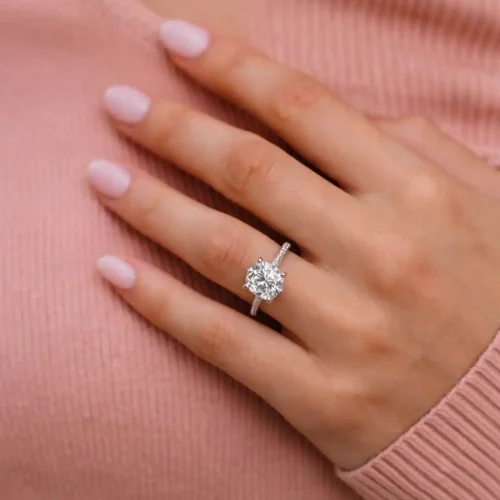
While bold design has its place, much of the 2026 demand centres on subtle complexity. The hidden halo remains popular, adding a circle of small diamonds beneath the centre stone that is visible primarily to the wearer. This detail aligns with a broader preference for jewellery that reveals itself over time rather than all at once.
Toi et Moi as a Modern Statement
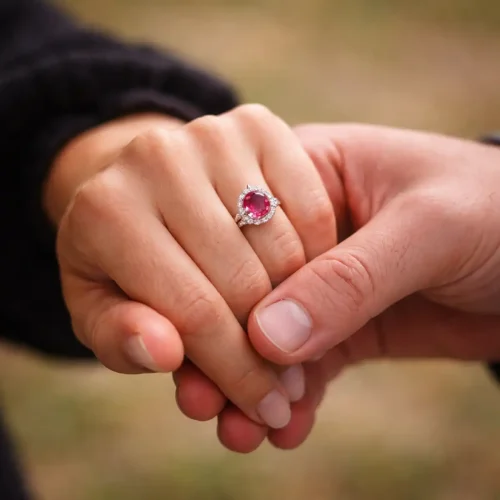
The Toi et Moi setting, featuring two stones set side by side, has moved firmly into the mainstream for Valentine’s proposals. Often combining contrasting diamond cuts or pairing diamonds with coloured gemstones, this design offers symbolic flexibility and visual distinction. Its roots in 19th-century European jewellery give it historical credibility while allowing for modern interpretation.
Metal Choices and the Return of Warmth
Metal selection in 2026 reflects a renewed appreciation for warmth and tactility. While platinum remains a staple for its durability and neutrality, 18ct yellow gold has regained prominence, particularly for buyers seeking vintage influence.
Rose gold continues to appeal for its softness, though many jewellers advise careful consideration of skin tone and long-term wear. Mixed-metal designs are also increasingly common, allowing buyers to balance strength and colour without committing to a single aesthetic.
Across Hatton Garden, jewellers emphasise discussion rather than prescription. The choice of metal is framed as part of the wearer’s lifestyle, not simply a trend.

The Ethical Standard Buyers Now Expect
Ethics are no longer a secondary consideration in engagement ring buying. By 2026, buyers expect transparency rather than reassurance alone. Hatton Garden jewellers have adapted accordingly, particularly in relation to lab-grown diamonds and traceability.
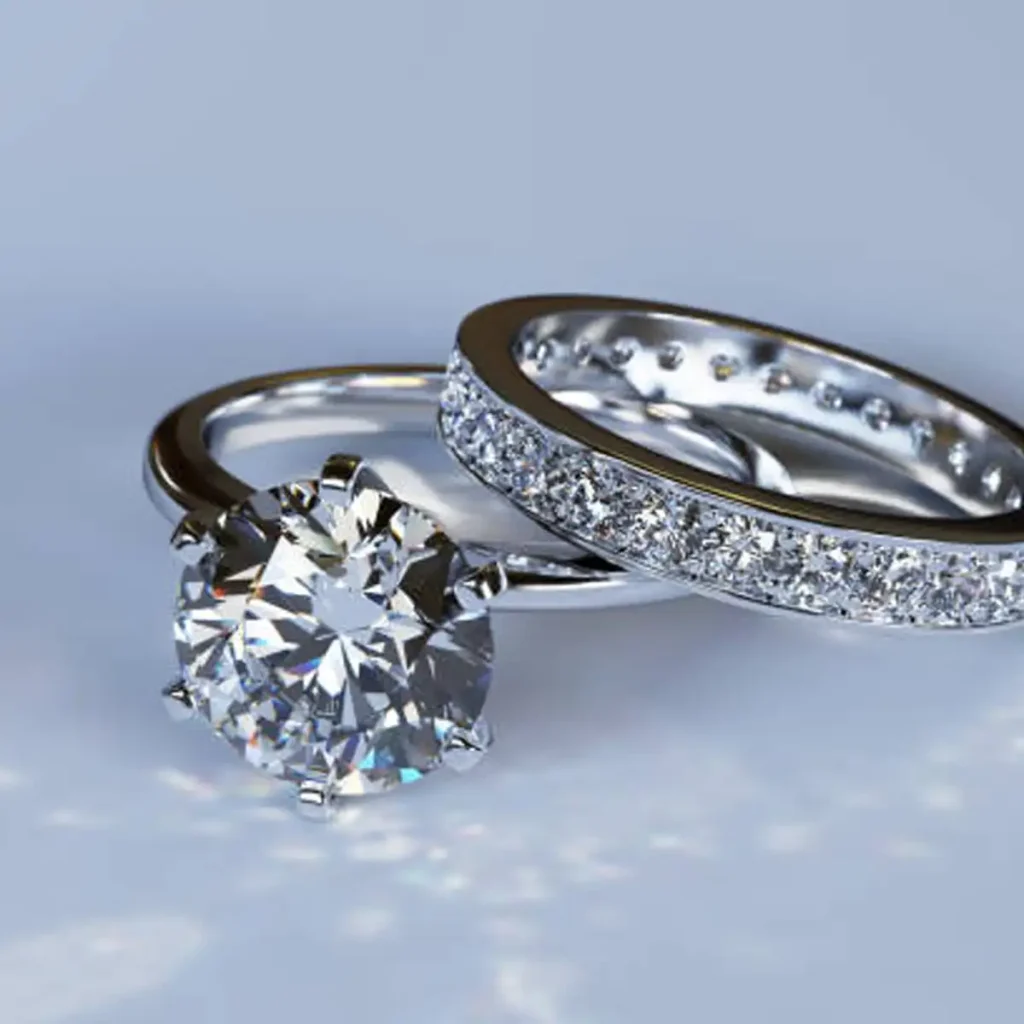
Lab-grown diamonds now represent a substantial share of engagement ring commissions. Their appeal lies not only in price positioning but in clarity around origin and environmental impact. However, Hatton Garden jewellers differentiate themselves by offering independent certification and full disclosure rather than generic claims.
Natural diamonds continue to hold value for buyers seeking rarity and geological history. In these cases, GIA certification remains the benchmark, with jewellers expected to explain grading and provenance in detail rather than relying on documentation alone.
Fun fact: The London Assay Office has been hallmarking precious metals continuously since 1300, making it one of the oldest consumer protection institutions in the world.
The Consultation Culture in 2026
One of the most significant shifts in Hatton Garden is how consultations are conducted. Many leading jewellers now operate by appointment, particularly during peak proposal periods such as January and February.
This approach reflects demand for time and focus. A typical consultation involves discussion of budget parameters, lifestyle considerations, stone options, and design references before any commitment is expected. For first-time buyers, this environment reduces pressure while increasing clarity.
Consultations also allow jewellers to advise on practical matters such as ring sizing, setting durability, and future resizing. These details often determine long-term satisfaction more than initial appearance.
Bespoke Versus Ready to Wear for Valentine’s Day
Timing remains critical for Valentine’s Day proposals. Buyers choosing bespoke engagement rings should plan carefully.
Bespoke Lead Times
Custom commissions typically require 4 to 6 weeks from design approval to completion. This timeframe allows for stone sourcing, setting, finishing, and hallmarking. For a 14 February proposal, most jewellers advise beginning the process by early January at the latest.
Bespoke work suits buyers with specific design preferences or those incorporating inherited stones. It also offers greater control over proportion and detail.
Ready-to-Wear Options
Hatton Garden also offers a wide selection of ready-to-wear engagement rings. These pieces are often crafted to a high standard and can be resized quickly. Buyers working to shorter timelines may find this option more practical, provided resizing is factored in.
In both cases, jewellers recommend allowing several days for final checks rather than collecting a ring on the morning of the proposal.
Pricing Transparency and Value Perception
Hatton Garden pricing in 2026 reflects expertise rather than discounting. While buyers may encounter a range of budgets, the emphasis is on explaining where value lies. Costs are typically broken down into stone, metal, and labour, allowing buyers to make informed adjustments.
This transparency contrasts with online platforms that present fixed prices without context. In Hatton Garden, buyers are encouraged to understand why two visually similar rings may differ significantly in cost.
For many couples, this clarity enhances confidence rather than raising concern.
Who has Hatton Garden Suits in 2026?
Hatton Garden appeals most strongly to buyers who value involvement and understanding. It suits engagement ring shoppers who want to ask questions, see stones in person, and speak directly with those responsible for making the ring.
It also attracts international clients seeking bespoke engagement ring services in London, particularly those familiar with British hallmarking standards.
Buyers prioritising speed above all else may find online retailers more convenient. However, those seeking assurance, individuality, and long-term value continue to gravitate toward the district.
Planning the Proposal with Confidence
For couples planning a Valentine’s Day proposal, preparation remains key. Booking consultations early, gathering inspiration without rigid expectations, and allowing time for refinement all contribute to a smoother experience.
Buyers are advised to ask about certification, aftercare services, and resizing policies before committing. Understanding what happens after the proposal is as important as the ring itself.
Why Hatton Garden Endures
Hatton Garden has survived not by resisting change but by anchoring it in accountability. In 2026, as luxury becomes faster and more abstract, the district offers something increasingly rare: a place where value can be questioned, verified, and witnessed.
For those planning a proposal this Valentine’s Day, Hatton Garden remains less a destination than a safeguard. It is where commitment is matched by craft, and where the promise of a ring extends beyond the moment it is given.