
Walking through Hatton Garden in early 2026 feels subtly different from even a few years ago. The pavements are the same, the shopfronts familiar, yet the conversations taking place behind the glass have changed tone. Couples discussing engagement rings are no longer focused solely on size, sparkle, or prestige. Instead, they are asking careful questions about origin, production, and long-term value. Sustainability has moved from a niche concern to a central pillar of decision-making, reshaping how London’s most famous jewellery quarter operates.
Hatton Garden remains the country’s most concentrated destination for engagement rings, wedding bands, and fine jewellery commissions. What has shifted is the balance between tradition and innovation. Alongside natural diamonds sourced through established supply chains, lab-grown diamonds, recycled precious metals, and fully traceable gold are now firmly embedded in the district’s offer. For many buyers, ethical assurance now carries equal weight to design, craftsmanship, and certification.
This article examines how sustainable diamonds and responsible sourcing are redefining engagement ring buying in Hatton Garden. Drawing directly from the source material, it explores how lab-grown stones have matured, how ethical natural diamonds are being positioned, and what this means in practice for couples planning a proposal in London.
Why Sustainability Now Shapes Hatton Garden Buying Decisions
The modern engagement ring buyer arrives in Hatton Garden better informed than ever. Years of reporting on mining practices, carbon impact, and supply chain transparency have changed expectations. In 2026, sustainability is not treated as an optional extra or a marketing flourish. It is part of the core buying conversation.
For London-based couples in particular, values-driven purchasing has become mainstream. An engagement ring is seen as a long-term object that carries personal meaning and public symbolism. Choosing a stone or metal with clear ethical credentials is increasingly viewed as an extension of personal identity rather than a compromise on quality.
Hatton Garden has adapted quickly to this shift. Independent jewellers and specialist retailers now present lab-grown diamonds and responsibly sourced natural stones side by side. Rather than positioning one as superior, they focus on explaining differences in origin, production, and long-term considerations. This transparency has become a competitive advantage for the district.
The Maturity of Lab-Grown Diamonds in 2026
Lab-grown diamonds are no longer treated as a novelty in Hatton Garden. By early 2026, they occupy a stable and clearly defined position within the engagement ring market. Buyers are no longer speculating on future price corrections or long-term acceptance. Instead, they are evaluating lab-grown stones as a distinct category with its own strengths.
One of the most significant changes has been price stability. After several years of rapid adjustment, premium lab-grown diamonds reached a consistent pricing structure by late 2025. This has reduced uncertainty for buyers and jewellers alike. In practical terms, it allows conversations to move away from market timing and toward design, setting, and metal quality.
This stability has also influenced aesthetic choices. Many couples now choose to allocate a larger portion of their budget to the visual impact of the ring. Larger centre stones, often in the 2.5 to 3.0 carat range, have become increasingly common in lab-grown commissions. The emphasis is not on excess for its own sake, but on creating a bold, confident statement that aligns with modern tastes.
Understanding CVD and HPHT Diamond Growth
Technical literacy has become part of the engagement ring buying process in Hatton Garden. Buyers are increasingly aware that not all lab-grown diamonds are produced in the same way, and jewellers are expected to explain these distinctions clearly.
Chemical Vapour Deposition, commonly referred to as CVD, is widely favoured for white diamonds. The method is valued for its energy efficiency and its ability to produce stones without metallic inclusions. For buyers seeking a clean, classic look with minimal post-growth treatment, CVD stones are often presented as the preferred option.
High Pressure High Temperature, known as HPHT, continues to play an important role, particularly for fancy coloured diamonds and very large stones. HPHT is often used to achieve saturated hues and is capable of producing stones above 3 carats with consistent colour. In Hatton Garden, jewellers tend to frame this choice around design goals rather than hierarchy, allowing buyers to match growth method to aesthetic preference.
Ethical Natural Diamonds and the Demand for Traceability
Sustainability in Hatton Garden is not limited to laboratory-grown stones. Natural diamonds remain central to the district’s identity, particularly for buyers who value geological rarity and traditional provenance. What has changed is the expectation of traceability.
In 2026, ethically sourced natural diamonds are presented with far greater documentation than in previous decades. Buyers increasingly expect clear information about origin, supply chain, and handling. This has led to wider adoption of digital tracking systems and formal traceability frameworks.
Blockchain-based documentation is now used to create secure digital records for many natural diamonds above a certain size threshold. These records allow jewellers to demonstrate a stone’s journey from source to finished ring. For buyers, this provides reassurance that ethical claims can be verified rather than simply asserted.
Single Mine Origin Gold in Hatton Garden Workshops
Alongside diamonds, attention has turned to the metals used in engagement rings. Gold sourcing has become a key part of sustainability discussions, particularly for buyers commissioning bespoke pieces.
Single Mine Origin gold has emerged as a notable trend in Hatton Garden workshops. This approach allows jewellers to trace the metal used in a ring back to a specific mine operating under defined environmental and social standards. While not all retailers offer this option, its presence reflects a broader shift toward accountability at every stage of production.
For buyers, the appeal of Single Mine Origin gold lies in its clarity. Rather than relying on general assurances, they can understand where the material came from and how it was produced. In the context of an engagement ring, this level of detail adds depth to the story of the piece.
Fun fact: The London Assay Office has been hallmarking precious metals since 1300, making it one of the oldest institutions guaranteeing metal purity in the world.
Certification as the Foundation of Trust
As sustainability claims have increased, so too has scrutiny. Hatton Garden jewellers now operate in an environment where certification is essential to maintaining credibility.
For natural diamonds, established grading authorities continue to play a central role. For lab-grown diamonds, the International Gemological Institute has become the most commonly referenced body in Hatton Garden. Its reports provide detailed information tailored to lab-grown stones, allowing buyers to assess quality with confidence.
Beyond grading, environmental and carbon-related certifications have gained prominence. Some retailers now prioritise stones from growers or suppliers that operate under recognised carbon-neutral frameworks. While terminology and standards vary, the underlying expectation is consistent. Buyers want evidence, not slogans.
Design Trends Reflecting Ethical Values
Sustainability is influencing not only material choices but also design preferences. In Hatton Garden, this has led to a noticeable shift in engagement ring aesthetics.
Bezel settings have grown in popularity, particularly among buyers seeking durability and practicality. The smooth metal edge offers protection for the stone and aligns with an understated, contemporary look. It also allows the focus to rest on the origin and quality of the diamond rather than elaborate ornamentation.
Heavier bands in 18-carat yellow gold have also returned to favour. These designs often reference antique proportions while incorporating modern finishing techniques. When paired with recycled or Single Mine Origin gold, they offer a tangible sense of permanence and responsibility.
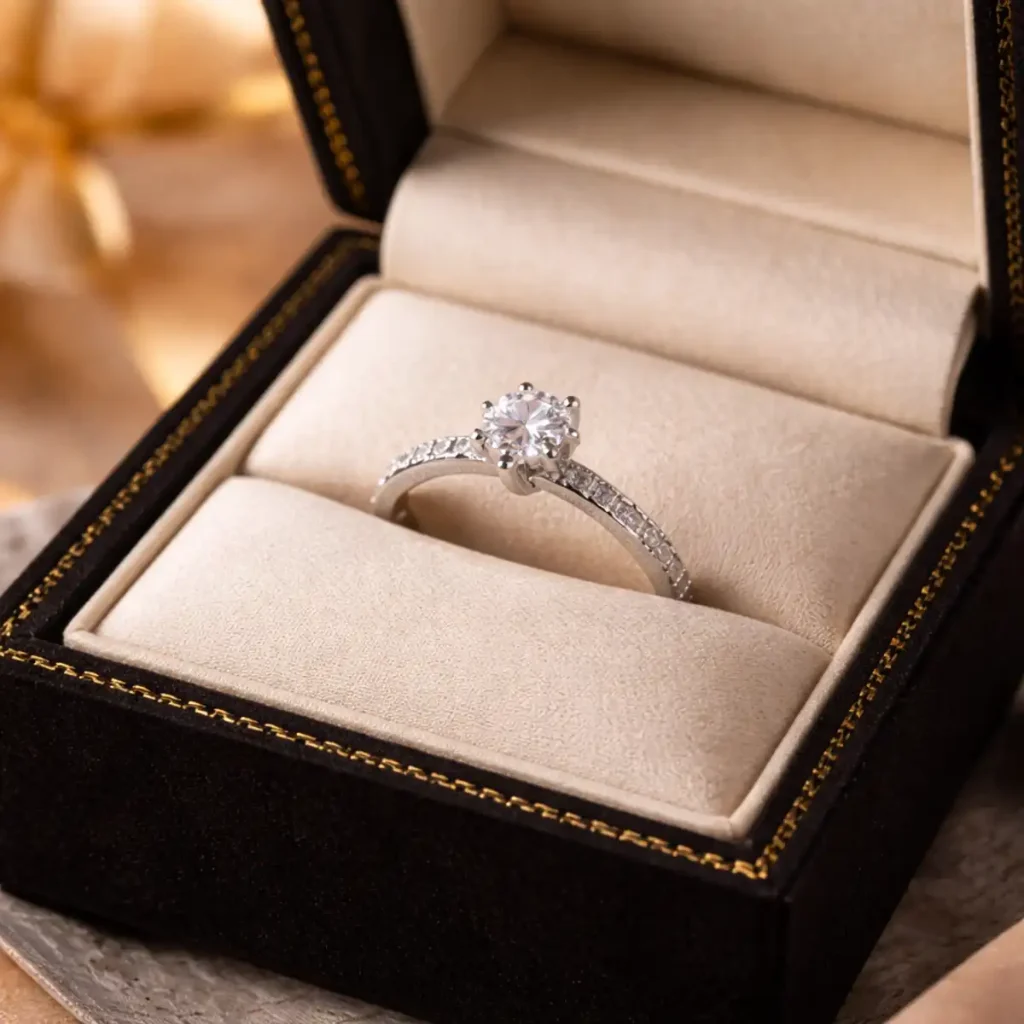
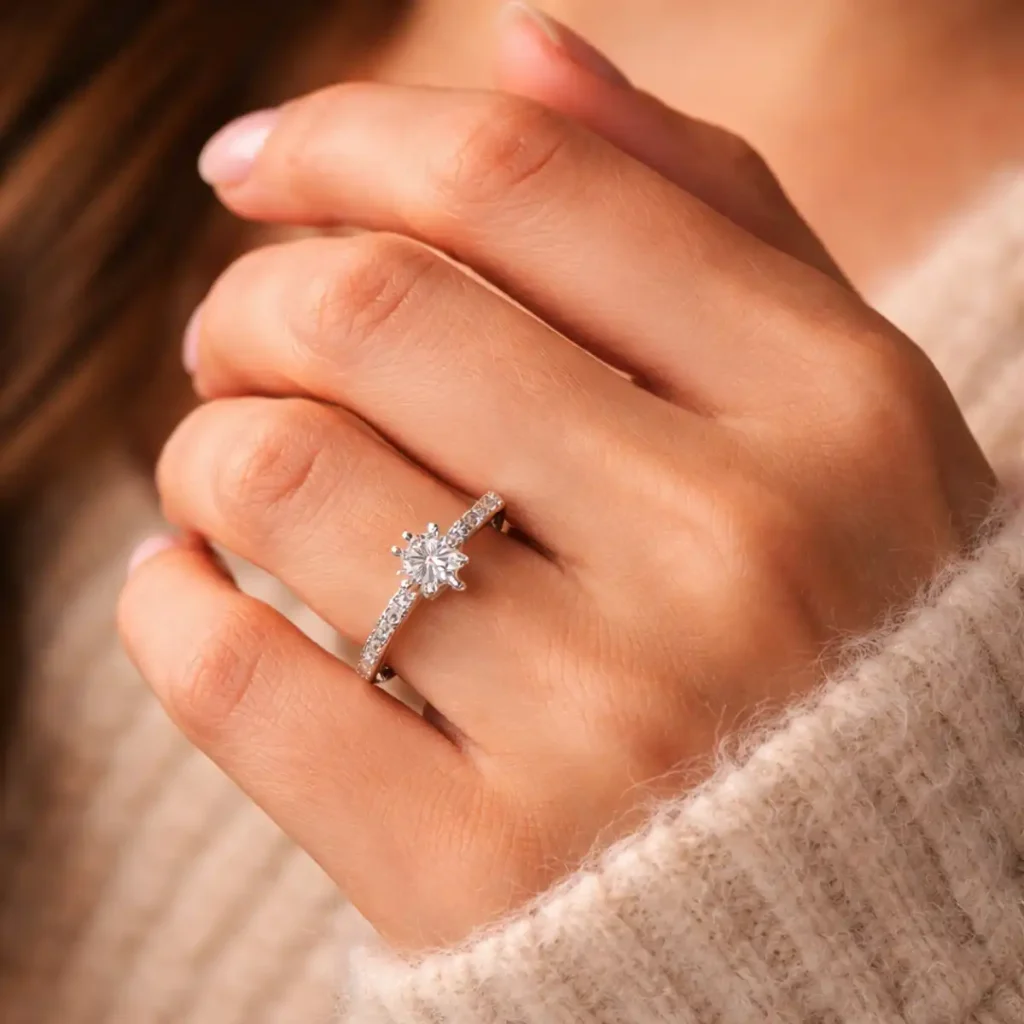
Low-profile solitaires are another defining feature of the current market. Designed to sit closer to the finger, they suit active lifestyles and reflect a preference for intentional, wearable luxury over purely decorative forms.
What a Sustainable Consultation Looks Like in Hatton Garden
The buying experience in Hatton Garden has evolved to match these priorities. Consultations in 2026 are typically structured and information-rich. Buyers are encouraged to discuss values alongside design preferences from the outset.
A sustainable-focused consultation often begins with a comparison of stone options, covering lab-grown and natural diamonds in parallel. Jewellers explain differences in origin, growth or mining processes, and certification without pressuring clients toward a particular choice.
Metal sourcing is discussed early in the process, particularly for bespoke commissions. Buyers are given options that may include recycled gold or Single Mine Origin gold, depending on the workshop’s capabilities.
The tone of these conversations is increasingly collaborative. Rather than selling a predefined product, jewellers position themselves as advisors helping clients align design, budget, and values.
Which Sustainable Diamonds in Hatton Garden Suit Best
The rise of ethical and lab-grown diamonds does not point to a single type of buyer. Instead, it reflects a broadening of choice.
Lab-grown diamonds often appeal to couples who prioritise size, clarity, and modern production methods. They suit buyers who value technological innovation and are comfortable with contemporary definitions of luxury.
Ethically sourced natural diamonds tend to attract those who value geological history and rarity, but who also want reassurance about origin and handling. For these buyers, traceability adds meaning rather than replacing tradition.
Both options are now firmly embedded in Hatton Garden’s independent jewellery scene, allowing buyers to choose based on personal priorities rather than limited availability.
Practical Advice for Buying Sustainably in Hatton Garden
For anyone planning an engagement ring purchase in 2026, a few practical considerations can help ensure a confident decision.
Ask to see the full certification for any diamond under consideration, whether lab-grown or natural. Understand what the report covers and who issued it.
Discuss metal sourcing options early, particularly if commissioning a bespoke ring. Clarify whether recycled or Single Mine Origin gold is available and what documentation accompanies it.
Allow sufficient lead time. Sustainable sourcing and bespoke work often require careful coordination. Starting the process several weeks before a planned proposal allows for considered decisions rather than rushed compromises.
Why Hatton Garden Remains Central to Ethical Jewellery Buying
Despite the growth of online platforms, Hatton Garden continues to hold a unique position in the UK jewellery market. Its concentration of independent specialists allows buyers to compare approaches, ask detailed questions, and handle stones in person.
In the context of sustainable diamonds, this physical presence matters. Ethical claims are easier to assess when supported by documentation, expertise, and direct conversation. Hatton Garden offers a setting where transparency can be tested and trusted.
Choosing a Ring That Reflects More Than Style
An engagement ring purchased in Hatton Garden in 2026 carries layers of meaning. Beyond design and craftsmanship, it reflects a set of choices about sourcing, responsibility, and long-term value.
For buyers seeking ethical engagement rings in Hatton Garden, the district now offers more clarity than ever before. Whether choosing a lab-grown diamond grown through advanced technology or a natural stone traced through modern verification systems, the options available support informed, values-aligned decisions.
The result is a form of luxury that feels considered rather than performative. In a city that prizes both heritage and progress, sustainable diamonds have found a natural home.


