
Walking into Hatton Garden in February has always carried a particular charge. The narrow streets just off Farringdon hum with a mixture of anticipation and intent, as couples step out of the cold with a decision already half made. In 2026, that feeling is sharper than ever. Valentine’s proposals are no longer driven by default choices or one-size-fits-all ideals of diamond perfection. Buyers arriving in London’s historic jewellery quarter are informed, curious and increasingly confident about what they want an engagement ring to represent.
This season, the conversation in Hatton Garden is being shaped by two powerful currents. On one side sits a renewed appetite for antique character, particularly hand-cut diamonds with visible history. On the other is a modern confidence enabled by ethical sourcing and lab-grown technology, allowing scale and sculptural design without the traditional constraints of rarity. The result is not a clash of old and new, but a sophisticated blend that feels distinctly London.
For engagement ring shoppers, collectors and industry professionals alike, February 2026 offers a clear snapshot of how taste, ethics and craftsmanship are converging in the capital’s most important jewellery district.
Why 2026 Matters for Engagement Ring Buyers
2026 remains the most emotionally charged month in the engagement ring calendar, but 2026 brings a noticeably different buyer mindset. Visitors to Hatton Garden are arriving with research behind them and a desire for rings that feel personal rather than prescribed. engagement rings Hatton Garden searches continue to be driven by buyers who want to see stones in person, understand settings at close range and speak directly with jewellers who work at the bench rather than behind a generic counter.
The urgency of Valentine’s proposals also sharpens decision-making. Buyers are asking practical questions earlier in the process, from resizing timelines to certification clarity and bespoke lead times. This has pushed Hatton Garden jewellers to emphasise transparency and consultation quality, reinforcing the district’s reputation as the place where significant purchases are treated with seriousness and care.
Antique Diamonds Return to the Centre of Attention
One of the most striking shifts this February is the renewed dominance of antique cut diamonds. Old Mine and Old European cuts are no longer niche requests reserved for collectors. They are becoming mainstream choices for couples who want an engagement ring that feels distinct from contemporary templates.
Why Old Mine Cuts Appeal to Modern Couples
Old Mine cuts, with their cushion-like outlines and broad facets, were shaped by hand rather than algorithm. Their light performance prioritises glow over sparkle, producing a softer fire that feels warmer and more intimate on the hand. In the context of 2026 design sensibilities, this aligns closely with the continued rise of understated luxury and emotional authenticity.
Buyers in Hatton Garden often describe these stones as having presence rather than brilliance. The slight irregularities that would once have been treated as flaws are now viewed as markers of individuality. For couples seeking a ring that feels singular rather than optimised, antique cuts offer an immediate visual and emotional distinction.
Circular Luxury and Ethical Confidence
Antique diamonds also answer growing concerns around sustainability without relying on emerging technology. A pre-existing stone carries no new mining footprint, making it an appealing option for buyers who want ethical reassurance without entering the lab-grown debate. In Hatton Garden, jewellers are careful to explain provenance where known, while remaining precise about what can and cannot be documented.
This approach resonates with buyers who value honesty over marketing claims. ethical engagement rings London searches increasingly lead clients to antique options precisely because they are tangible examples of circular luxury rather than abstract promises.
Modern Solitaires Take on New Weight and Form
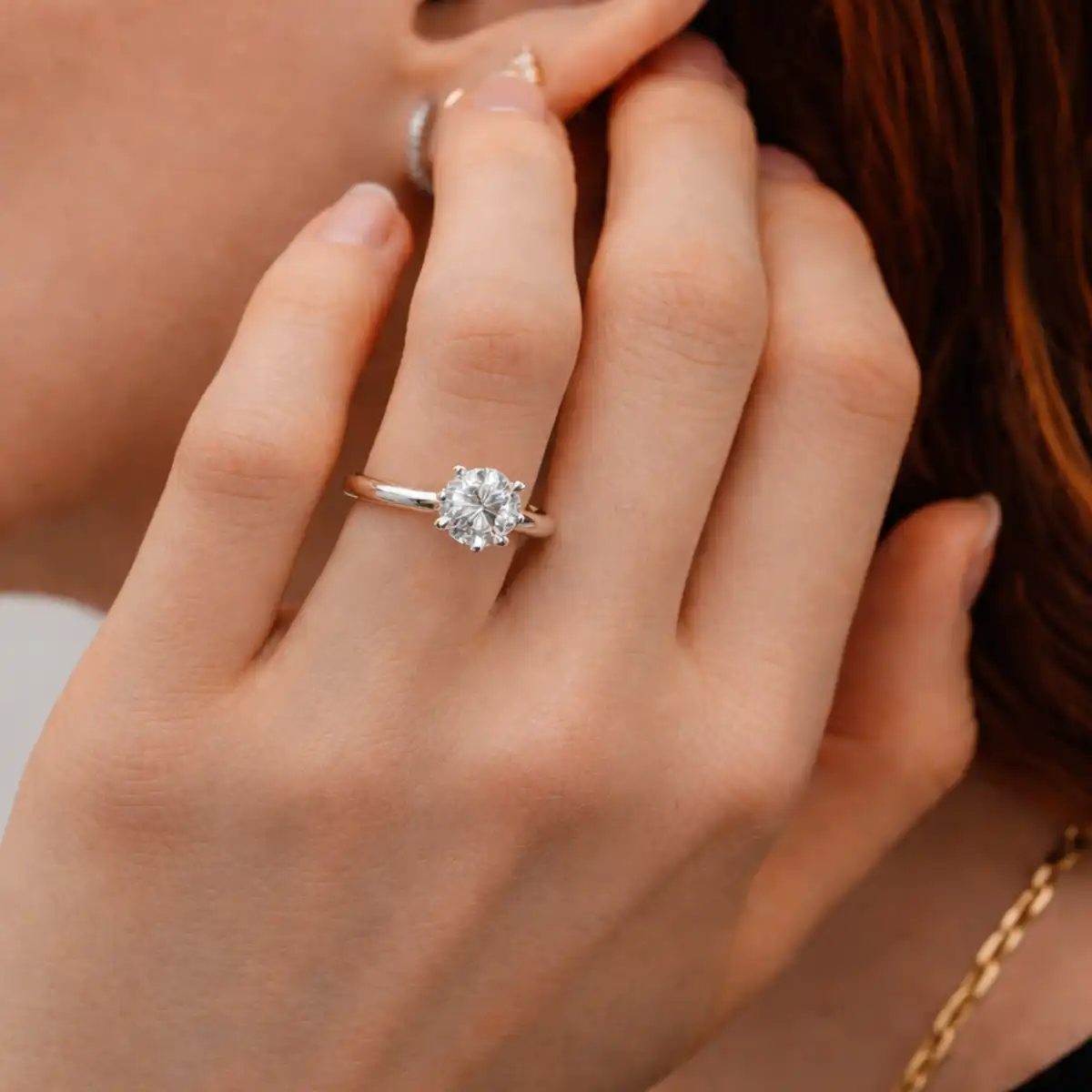
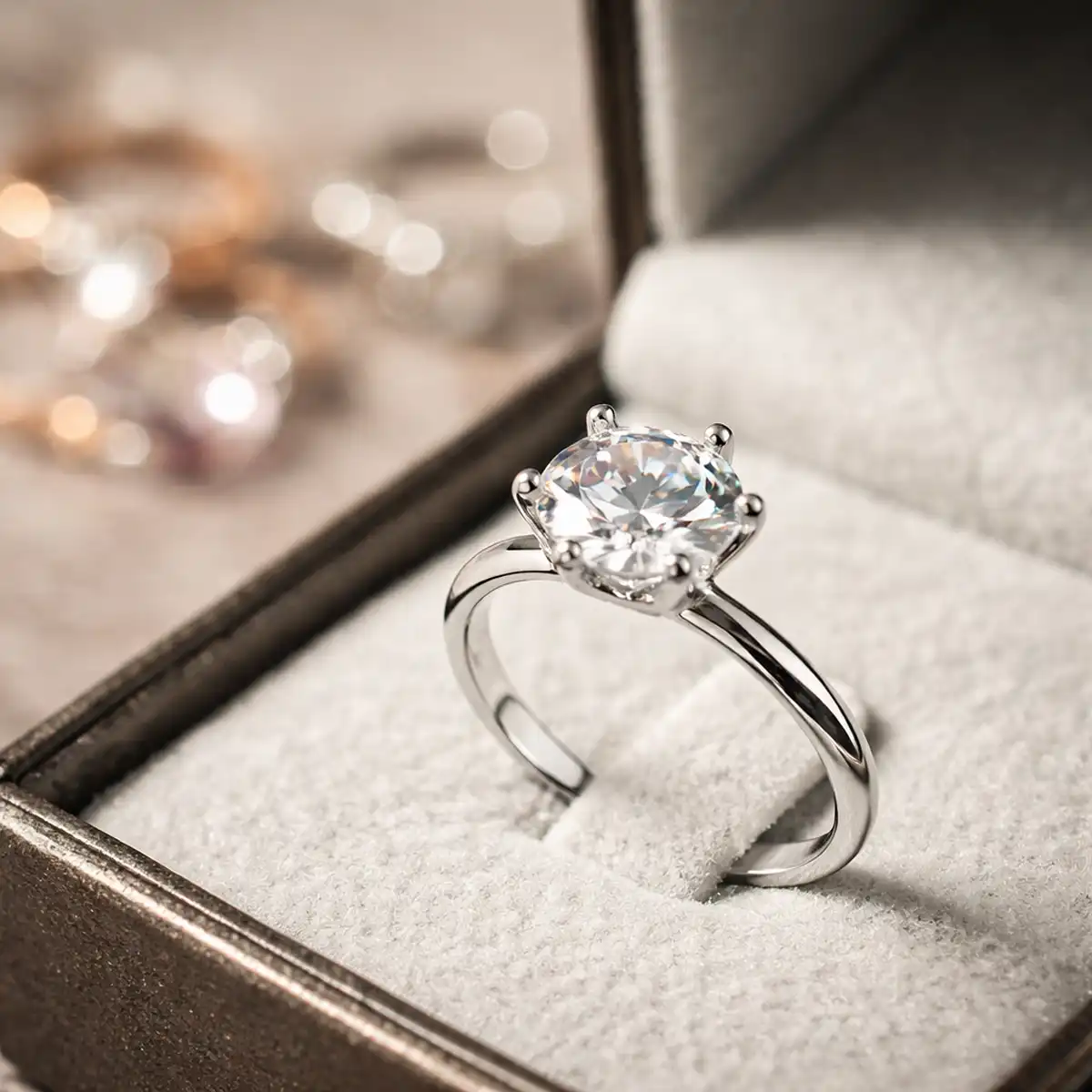
While antique diamonds are reclaiming prominence, the solitaire has not disappeared. Instead, it has evolved. The 2026 solitaire is bolder, heavier and far more intentional in its design choices.
Sculptural Bands as Design Statements
Thin, delicate bands are giving way to substantial metalwork. Broad profiles in yellow gold and platinum are becoming common, particularly among buyers who want their ring to feel grounded and enduring. These sculptural bands shift attention back to craftsmanship, with finish, curvature and proportion becoming as important as the centre stone itself.
In Hatton Garden workshops, jewellers report that clients are spending longer handling sample bands, testing weight and comfort before even selecting a diamond. This tactile approach reinforces the idea that an engagement ring is an object to be lived with rather than simply admired.
Lab-Grown Diamonds Enable Scale Without Compromise
The maturation of lab-grown diamonds continues to reshape the market. In 2026, these stones are no longer positioned as secondary choices. They are selected deliberately by buyers who want visual impact alongside ethical clarity. Larger centre stones, often above 2 carats, are now common in bespoke commissions, paired with refined settings that prevent the design from tipping into excess.
Hatton Garden jewellers are careful to frame these stones accurately, emphasising certification and disclosure while focusing discussions on cut quality and setting execution. Lab-grown diamond rings London searches reflect a buyer base that values transparency as much as size.
Subtle Details Define Quiet Luxury in 2026
Beyond headline choices of stone and band, February 2026 has seen a surge in interest around hidden or personal design features. These elements are not intended to impress at a glance, but to reward close attention and long-term wear.
Hidden Halos and Personal Sparkle
Hidden halos remain popular, offering a discreet line of pavé beneath the centre stone. The effect is subtle, adding light without altering the ring’s overall profile. Buyers often respond to the idea of a private detail, something known primarily to the wearer rather than the wider world.
Bezel Settings Gain Ground
Bezel settings are also rising in popularity, particularly among buyers with active lifestyles. Encasing the diamond in a smooth rim of metal offers protection and a clean visual line. In Hatton Garden, this setting is often paired with antique stones, creating a compelling contrast between historic material and contemporary form.
Mixed Metals for Practical Elegance
The combination of platinum heads with yellow gold bands continues to appeal for both aesthetic and practical reasons. Platinum maintains the diamond’s natural colour, while gold adds warmth and character to the overall design. This approach reflects a broader trend toward thoughtful material choices rather than rigid adherence to single metal traditions.
Fun fact: Hatton Garden jewellers trace their connection to the London Assay Office, which has tested and hallmarked precious metals since 1300, giving buyers legal assurance of metal purity that remains globally recognised.
Timing and Preparation for Valentine’s Proposals
February proposals leave little room for indecision. Hatton Garden buyers in 2026 are advised to treat timing as seriously as design.
Consultation Culture in Hatton Garden
Independent jewellers increasingly operate on an appointment basis during peak periods. This ensures focused attention and allows meaningful discussion around stones, settings and budgets. Buyers who walk in without preparation may find availability limited in the days leading up to Valentine’s Day.
Resizing and Final Adjustments
Even ready-to-wear rings typically require professional resizing. Allowing several days for this process is essential. Jewellers are clear that last-minute requests risk compromising fit or finish, particularly when workshops are operating at full capacity.
Certification as a Non-Negotiable Standard
Whether natural or lab-grown, certification remains central to buyer confidence. GIA and IGI reports are treated as baseline documentation, offering clarity on cut, colour and clarity without embellishment. Hatton Garden jewellers emphasise that certificates support informed decisions rather than replace visual inspection.
Choosing the Right Jeweller for Your Priorities
What ultimately distinguishes Hatton Garden in February 2026 is not a single trend, but the depth of choice and expertise available within a compact area. Buyers can compare antique specialists with modern designers, speak directly to setters and view stones under controlled lighting before committing.
For those drawn to antique diamonds, the district offers access to stones that rarely appear on high street displays. For modern buyers, bespoke solitaires reflect a level of customisation that online platforms struggle to replicate. Bespoke engagement rings in London continue to attract clients who value dialogue and craftsmanship over convenience.
Who These Trends Suit Best
Antique cuts appeal to buyers who prioritise individuality, history and subtlety over optical perfection. Sculptural solitaires suit those who want a confident, contemporary presence on the hand. Lab-grown diamonds serve couples seeking scale and ethical clarity without compromise. Hidden details and mixed metals resonate with buyers who value quiet expression rather than overt display.
Final Thoughts for 2026 Buyers
An engagement ring chosen in Hatton Garden carries more than visual appeal. It reflects a process that values conversation, expertise and accountability. As February 2026 unfolds, the district’s enduring relevance lies in its ability to adapt without losing its core identity.
For buyers planning a Valentine’s proposal, the next steps are clear. Book consultations early. Handle stones in person. Ask direct questions about certification and aftercare. Allow time for resizing or bespoke work. Most importantly, choose a ring that aligns with how you live and what you value, rather than what tradition alone might suggest. In a city defined by change, Hatton Garden remains constant not because it resists progress, but because it integrates it with centuries of accumulated skill