
On 16 November 2010, the world paused to watch Prince William and Catherine Middleton announce their engagement. While the occasion was historic, the ring on Catherine's hand truly commanded global attention. Once worn by Diana, Princess of Wales, a striking sapphire engagement ring had reappeared. This was more than jewellery. It was a symbol of remembrance, a nod to legacy, and a defining moment in the royal love story.
This jewel instantly bridged two royal generations. It connected Diana's past with William and Catherine's future. For millions, it became a public tribute wrapped in a private sentiment. Rather than commissioning something new, William offered a ring that carried meaning far beyond its monetary value. He offered something filled with memory. The decision reshaped how the public viewed the monarchy, love, and the traditions surrounding modern engagement.
Prince William established a new emotional tone for royal engagements in this single act. His choice reflected vulnerability, sincerity, and respect for his personal history. At the same time, it signalled a shift in how royal milestones were celebrated, moving from formality to emotional authenticity.
A Proposal Made in Quiet Majesty
The proposal itself took place far from the public eye. In October 2010, Prince William asked Catherine to marry him while holidaying in Kenya. He did so at a secluded lodge near Mount Kenya, a location chosen for its privacy and its personal significance. For three weeks prior to the proposal, he carried his late mother's ring in his rucksack. This detail is telling. It speaks to the importance he placed on the ring and the proposal itself.
When later asked about the ring, William explained, "It's my mother's engagement ring. I thought it was quite nice because obviously she's not around to share any of the fun and excitement of it all. So this is my way of keeping her close to it all." Catherine described the gesture as "very, very special."
Their choice of Kenya also held meaning. As a Commonwealth country with royal associations and conservation ties, the location subtly reflected William's role within the institution and his personal commitments. The proposal, like the ring, blended the private with the symbolic. It allowed a new royal chapter to begin with both intimacy and reflection.
A Public Debut and the Beginning of the "Kate Effect"
On the day of the official engagement announcement, the couple appeared before the press at St James's Palace. Catherine wore a deep royal blue Issa dress that perfectly matched the hue of her sapphire ring. The image became iconic. That dress sold out within hours, marking the beginning of what would be widely referred to as the "Kate Effect".
The engagement ring, gleaming against the blue fabric, became the focal point of a new era in royal fashion and public sentiment. For the first time, many people saw the ring not just as a memory of Diana, but as a fresh start. The public did not fixate on the history of the ring's previous appearance during Diana's engagement. Instead, there was a warm embrace of its renewed meaning. It became a symbol of continuity, respect, and emotional courage.
Later that day, the couple gave a televised interview. For many viewers, it was the first chance to hear from Catherine directly. Her calm presence and clear admiration for the ring made a lasting impression. William's candid words only deepened the sense of emotional transparency that surrounded their announcement. In the eyes of the public, the couple had managed to reclaim the past and use it to create something hopeful and forward-looking.
A Jewel Steeped in Royal Legacy
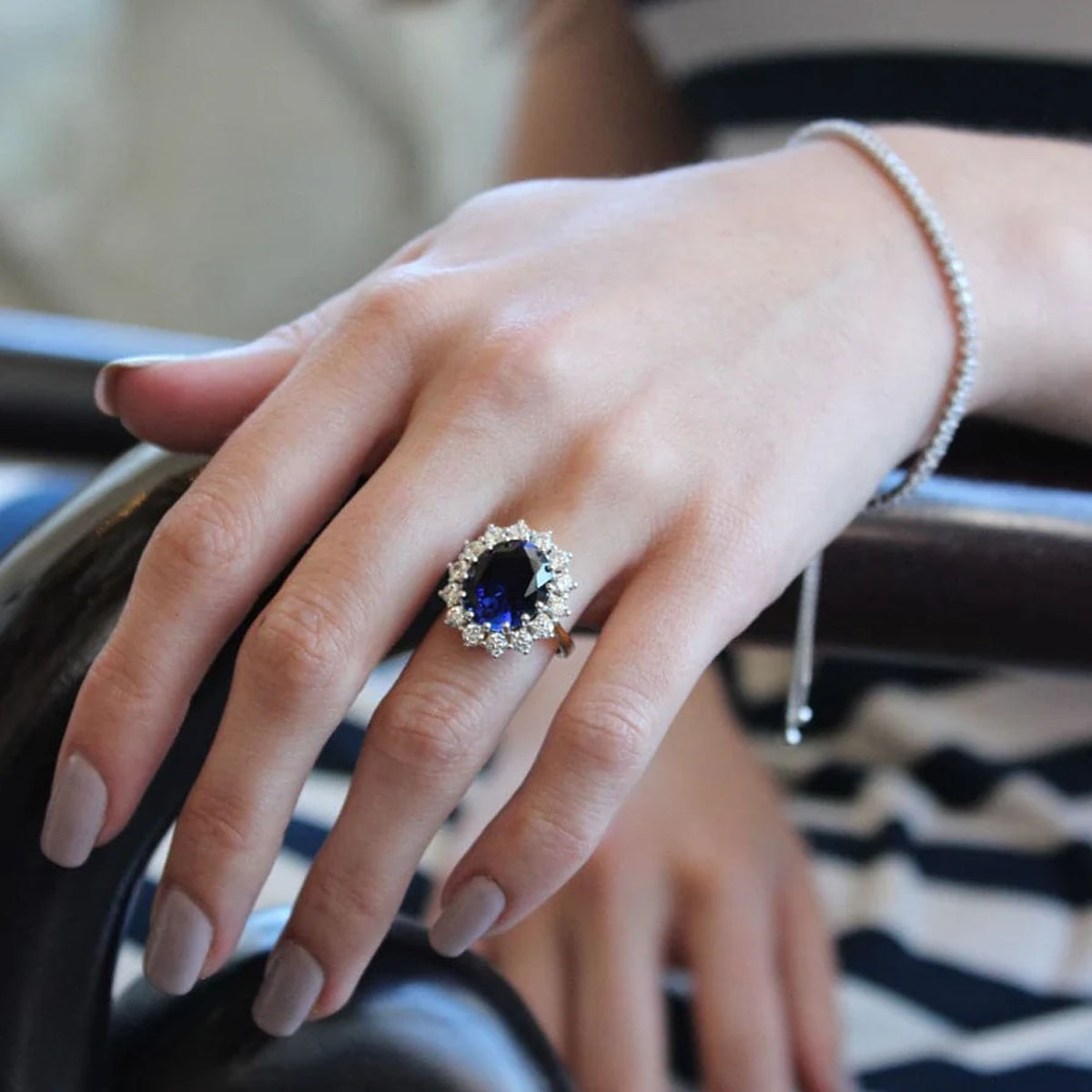
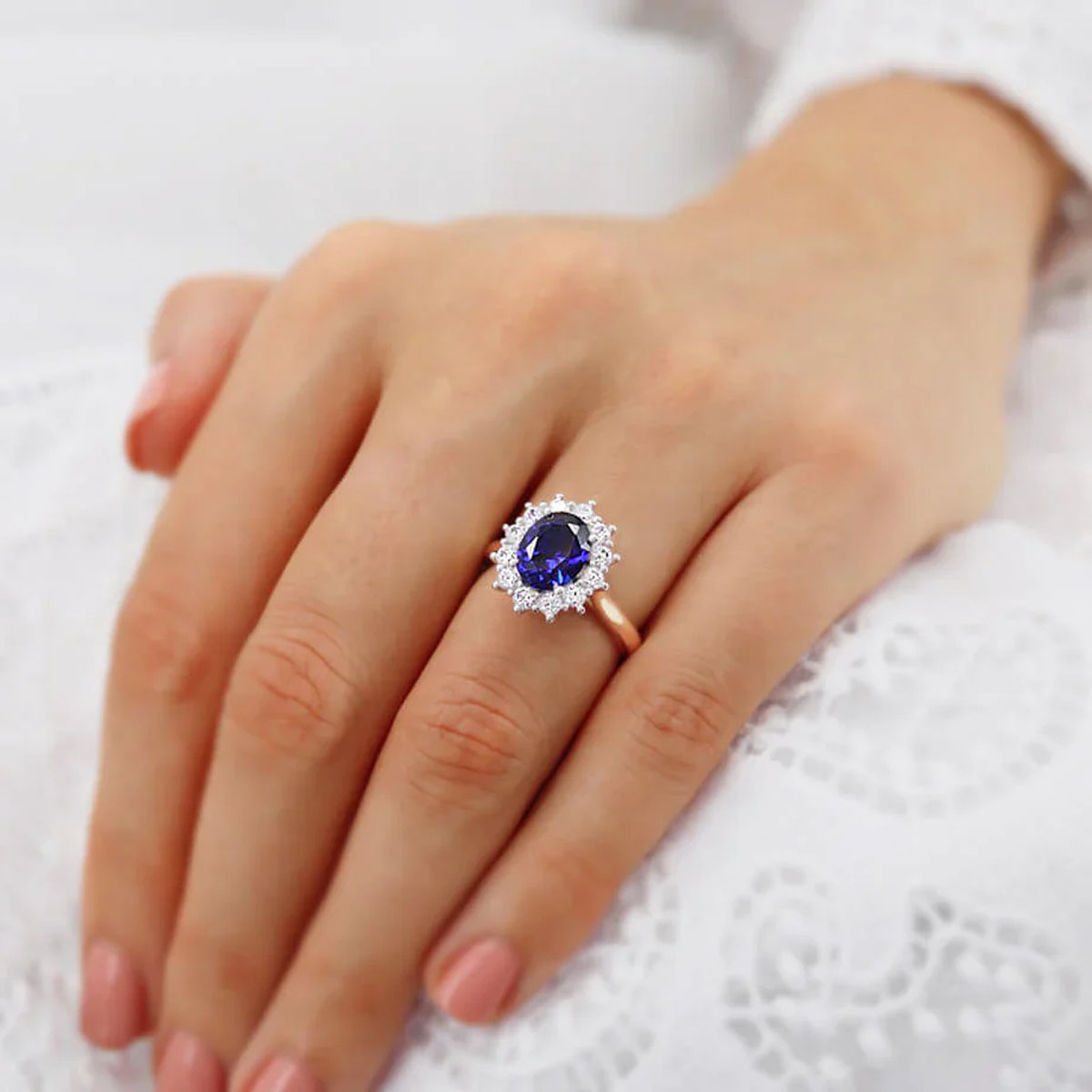
The ring itself is an object of remarkable craftsmanship and deep historical resonance. At the centre sits a 12-carat oval Ceylon sapphire, known for its vibrant cornflower blue tone. It is surrounded by fourteen solitaire diamonds, all set in 18-carat white gold. The ring was made in 1981 by Garrard & Co, the former Crown Jeweller of the United Kingdom.
The design was inspired by a sapphire brooch once given by Prince Albert to Queen Victoria in 1840. That brooch, treasured by Victoria, was worn on her wedding day and eventually became a royal heirloom. The echoes of that design in the ring chosen by Diana, and later passed to Catherine, reinforce the ring's position within a long-standing royal tradition of choosing sapphires for their symbolism of fidelity, wisdom, and nobility.
Interestingly, Diana's engagement ring was not a bespoke commission. It was selected from Garrard's existing collection. This fact stirred some conversation at the time. Most royal engagement rings were custom-made. Yet this choice made the ring more relatable to the public. It felt aspirational rather than untouchable.
Fun Fact: When Catherine received the ring, it was slightly too loose. Rather than resize the band traditionally, jewellers added tiny platinum beads to the inside. This preserved the ring's original structure and honoured its status as a royal heirloom.
A Catalyst for Change in Jewellery Trends
The reappearance of Diana's engagement ring on Catherine's hand did more than generate headlines. It triggered a shift in public taste. Across the UK and beyond, jewellers reported a dramatic rise in demand for sapphire cluster rings. Some estimated a 300 per cent increase in enquiries for blue sapphire engagement rings within weeks of the announcement.
The impact was not limited to sapphires. The renewed attention to coloured stones encouraged interest in rubies, emeralds, and vintage-inspired designs. The cluster setting, once considered traditional, became fashionable again. More importantly, the public began to place greater value on rings with emotional or familial significance.
Many jewellers began offering replicas or inspired styles. Even Garrard released updated designs reminiscent of the original. Catherine's ring, though deeply personal, helped open the door for more people to connect with the style and sentiment behind royal jewellery.
By choosing a ring that held meaning rather than novelty, Catherine and William changed public expectations. Engagement rings were no longer just about sparkle. They were about story, emotion, and continuity.
The Sentiment Behind the Stone
The ring given to Catherine Middleton is not only rich in history and materials. It is rich in sentiment. Prince William's intention was clear — to include his late mother in one of the most joyful milestones of his life. This decision resonated deeply with the public, many of whom still feel a profound connection to Princess Diana and her memory. By choosing to wear her ring, Catherine embraced more than just a royal tradition. She took on a legacy.
For many, the ring became a symbol of enduring maternal love. It bridged generations. It honoured a woman whose compassion and strength continue to inspire. In doing so, it gave the monarchy a moment of emotional honesty that felt both rare and powerful. The ring connected Catherine not only to Diana's style but to the values she represented — kindness, vulnerability, and the courage to be seen.
In this way, the sapphire ring became something more than a jewel. It became an emotional anchor. It reminded the world that behind the formalities of royal life, there are real families, real memories, and real stories of love and loss.
A Reflection of Modern Monarchy
The story of this ring also reflects a broader transformation within the British monarchy. In past generations, royal engagements were formal, often orchestrated, and focused on statecraft. With William and Catherine, the story was different. Their relationship began at university, grew over many years, and unfolded largely away from public scrutiny. It was relatable. It felt real.
The choice of ring, rich with personal meaning and openly tied to a complex past, signalled a monarchy willing to show its heart. Rather than erasing history, the couple embraced it. They allowed emotion to become part of the institution's language. This shift did not go unnoticed. Public trust, affection, and engagement grew stronger.
In this context, the ring is not only a personal token. It is a public message. It tells the story of a couple rooted in love, grounded in memory, and unafraid to acknowledge what came before. The monarchy, through that single decision, appeared more human and more hopeful.
The Rise of the Heirloom Renaissance
Catherine's ring has had a far-reaching influence on how modern couples think about jewellery. Following the announcement, there was a surge in interest not just in sapphire rings, but in heirloom jewellery of all kinds. Vintage and antique pieces began appearing in bridal magazines, Pinterest boards, and jewellers' displays.
Couples began looking beyond sparkle and towards substance. A new trend emerged: engagement rings that tell a story. Some repurposed family pieces. Others designed custom rings inspired by personal moments. The focus shifted towards individuality, heritage, and meaning.
Catherine's ring played a defining role in this movement. It showed that jewellery could be timeless without being trend-driven, and deeply emotional without losing elegance. It helped revive a love for Victorian and Edwardian styles, especially cluster settings and coloured centre stones.
Fun Fact: Some jewellers reported a threefold increase in clients requesting rings inspired by the royal design but created with lab-grown sapphires or recycled metals. This reflects a growing demand for sustainability, allowing modern couples to honour history while aligning with ethical values.
Where to Find Your Own "Kate-Inspired" Ring
For those captivated by the design and sentiment of the Princess of Wales's engagement ring, the market now offers a wide range of options. From luxury brands to bespoke designers and high street jewellers, there is something for nearly every budget and taste.
Garrard, the original creator, remains the closest connection to the royal ring. Their 1735 collection features modern adaptations that pay tribute to the original, often using sapphires or other coloured gemstones with diamond halos. These designs carry the elegance of the past while accommodating the needs of modern wearers, including adjustments that allow wedding bands to sit flush.
British retailers such as Beaverbrooks, Queensmith, and Ingle & Rhode offer sapphire cluster rings ranging from classic to contemporary. Some specialise in ethically sourced gemstones and Fairtrade gold, while others provide custom services for clients seeking a one-of-a-kind heirloom.
For those seeking a more accessible piece, platforms like Etsy UK offer handcrafted cluster rings, many made in historic jewellery centres such as Birmingham. These may use simulated sapphires or lab-created stones, but often mirror the silhouette of the royal ring.
Some couples even opt for antique pieces. Vintage sapphire clusters from the Victorian or Art Deco periods are available through reputable dealers such as Charlotte Sayers and The Antique Ring Boutique. These rings carry their own stories and often feature exquisite craftsmanship.
What to Consider When Choosing a Sapphire Ring
Before purchasing, it is helpful to understand what makes a sapphire engagement ring exceptional. Quality is determined by more than carat size or setting. Here are key factors to consider:
- Colour: The most desirable sapphires have a vivid, even, cornflower or royal blue hue. Stones that are overly dark or pale may be less valuable.
- Clarity: Sapphires naturally contain some inclusions, but avoid stones with visible imperfections that affect brilliance.
- Cut: An expertly cut sapphire will maximise colour and sparkle. Oval and cushion cuts are common for this gemstone.
- Carat Weight: Larger sapphires are rare. Princess Diana's was 12 carats. Most rings feature stones between 1 and 5 carats.
- Origin: Sri Lankan (Ceylon) sapphires are admired for their quality. Stones from Kashmir or Burma are rarer and command higher prices.
- Treatment: Heat treatment is standard to improve colour. Ask for disclosure. Avoid diffusion-treated stones, which may lose colour over time.
- Lab-Grown Sapphires: These are identical in appearance and structure to natural sapphires. They offer ethical sourcing, affordability, and design flexibility.
Understanding these details ensures that the ring you choose reflects not only your style but your values.
A Symbol That Continues to Shine
The engagement ring once worn by Diana and now worn by Catherine has become far more than a piece of royal jewellery. It is a cultural symbol. It has shaped fashion, inspired personal storytelling, and redefined public engagement with the monarchy.
It also speaks to something more timeless — the desire to preserve memory through objects that matter. The ring is a visible reminder that love, when grounded in authenticity and remembrance, carries power beyond words. Its journey from one Princess of Wales to another marks a transformation, not just of a jewel, but of how tradition evolves through personal meaning.
For Catherine, the ring is a gift of love and legacy. For William, it is a tribute. For the world, it is a reminder that even within institutions as old as the monarchy, change can be graceful and human.