
Engagement ring insurance is usually arranged after a ring is already home, rather than before it is bought, and that timing gap causes most of the confusion buyers run into. The price paid at the counter, the amount a policy would pay to replace the ring, and what it might raise if sold secondhand are 3 different figures, not one. This guide sets out what actually drives an engagement ring's price, covering stone weight and grade, cut quality, metal, and the labour behind the setting. It also explains why a professional valuation underpins engagement ring insurance, how specialist jewellery cover differs from an ordinary home contents policy, and where buyers most often mistake sentimental worth for a figure an insurer will actually pay. This is an independent, UK-wide view of a purchase most people make once or twice in a lifetime, not one retailer's account of its own stock.
What Actually Drives The Cost Of An Engagement Ring
The price of an engagement ring is set by 4 things working together, the weight of the main stone, its cut and grade, the metal used for the band, and the labour needed to make and set the mount. Each moves independently, so 2 similar rings can carry different price tags once every part is compared.
Stone weight is measured in carats. Gold purity is described on a separate scale entirely, and the two should not be confused despite the similar sounding terms. Two stones of identical weight can differ hugely in price once cut, colour and clarity are added in. A well cut stone returns more light and commands a higher price per carat than a poorly proportioned stone of the same weight. Colour and clarity should never be quoted without naming the laboratory that issued the grade, whether that is GIA, IGI or HRD, since in-house grading from a single retailer is not independently checked.
Metal choice adds a smaller but real amount to the total. Platinum costs more per gram than 18 carat gold, and 18 carat gold costs more than 9 carat gold, though 9 carat is generally less durable for daily wear. The final component, setting labour, covers the bench time to shape the mount, seat the stone securely, and finish and polish the piece. A more detailed setting, such as a halo or a pave band, adds hours of hand work on top of the raw materials, and that labour cost carries through into the figure used for engagement ring insurance.
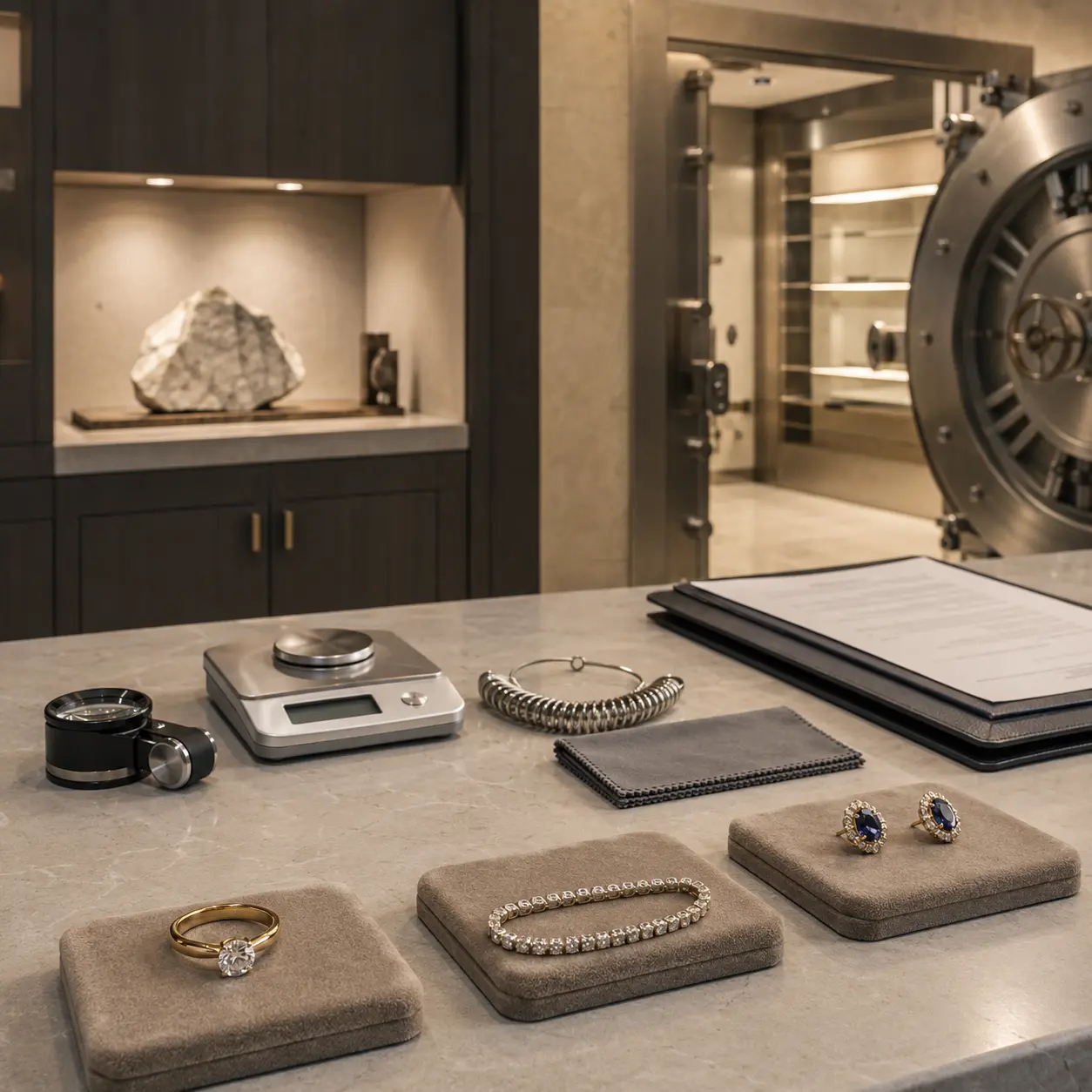
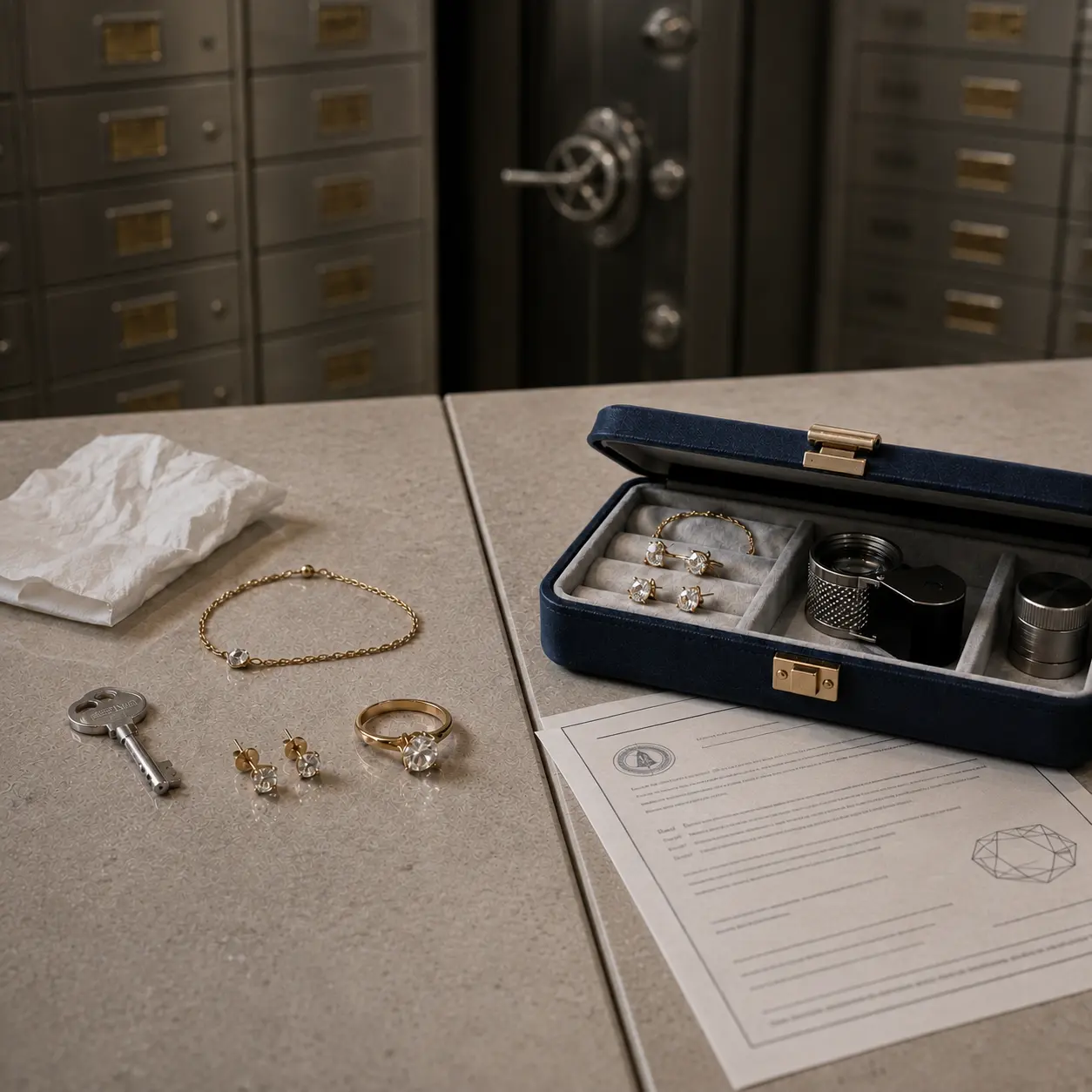
Sentimental Value Insurance Value And Resale Value Are Different Numbers
Buyers commonly hold one number in their head for a ring, when in practice there are 3, and they rarely match. Sentimental value is personal and has no market price attached to it. Insurance replacement value is what a professional valuer estimates it would cost to replace the ring, like for like, at current retail prices. Resale value is what a jeweller, auction house or private buyer would actually pay to take the ring off someone's hands, and it sits well below the other two figures.
Engagement ring insurance is built around the middle figure, the insurance replacement value, not the sentimental one and not the resale one. A valuation document produced for engagement ring insurance purposes states a replacement figure, and that is the number a policy is written against. Confusing this with what the ring might later sell for is one of the most common and most costly misunderstandings buyers make.
Retail price, the amount actually paid at purchase, sits somewhere between the insurance replacement figure and the resale figure, usually closer to the replacement side. None of these 3 numbers should be treated as evidence that a ring holds or grows in value over time.
The Retail To Resale Gap Explained
A persistent assumption is that an engagement ring can be sold on later for close to what was paid. This is not how the secondhand jewellery market works. Retail prices include the stone, the metal, the making, the retailer's margin and, often, branding. A resale buyer, whether a jeweller, dealer or private individual, is paying largely for the raw materials and the stone on its own terms, not for the retail markup that was built into the original price.
The gap between what was paid and what a ring later resells for is typically wide, and it varies by category, condition and market at any given time, so a specific percentage is not stated here. [EDITOR: dated figure with market] would be needed to quote a real resale differential for a specific stone type or period. What can be stated plainly is the mechanism, a ring loses a significant portion of its retail price the moment it leaves the shop, in resale terms, even though nothing about the stone has physically changed.
This is exactly why engagement ring insurance is written to the replacement cost, not the resale figure. An insurer that paid out at resale value would leave a policyholder short of the amount actually needed to buy a comparable replacement ring at retail. Engagement ring insurance policies are priced on replacement cost precisely because resale value would leave a claim underfunded.
Why A Professional Valuation Matters For Engagement Ring Insurance
A professional valuation matters because engagement ring insurance is only as accurate as the document behind it. Without an independent report describing the stone's carat weight, cut, colour and clarity, graded by a body such as GIA, IGI or HRD, plus the metal and any hallmark, an insurer has no fixed basis for settling a claim fairly.
A professional valuation carried out by a qualified, independent valuer, separate from the shop that sold the ring, produces a written description and a replacement figure that an insurer can rely on. Without one, a claim after loss or theft is settled against a receipt, a photograph or a verbal description, none of which fix the stone's specification with any precision. A professional valuation is the document engagement ring insurance relies on to settle a claim fairly rather than by negotiation after the fact.
Valuations should be updated periodically, since metal and stone prices move and a figure fixed several years ago can understate the current cost of replacement. Most valuers and insurers suggest a review every 2 to 3 years, and sooner if metal prices move sharply in that time.
Getting A Ring Valued And Insured
The sequence for putting engagement ring insurance in place typically runs as follows.
Obtain an independent written valuation from a qualified valuer, separate from the retailer, stating carat weight, cut, colour and clarity with the grading body named.
Photograph the ring clearly, including any hallmark and the setting from several angles, and keep the valuation certificate and receipt together.
Decide whether to add the ring to an existing home contents policy as a named item, or take out standalone engagement ring insurance as a specialist policy.
Check the single item limit on a contents policy, since many contents policies cap unspecified valuables well below what an engagement ring is worth, which is why a named item or separate policy is usually needed.
Confirm cover for accidental loss, not only theft, since a stone falling from a worn setting is a common claim and some contents policies exclude simple loss.
Set a reminder to revalue every 2 to 3 years and update the policy figure to match.
Specialist Jewellery Insurance Compared With Home Contents Cover
Home contents policies are written for a household's general possessions and often treat jewellery as a single, capped category rather than an individually assessed item. Specialist jewellery insurance sold as a standalone policy is written around the ring itself, using the valuation figure directly. The practical differences are not the same from insurer to insurer, so each of the following is worth confirming before relying on either type of cover.
Single item or unspecified valuables limit on the existing contents policy, and whether it covers the ring's full replacement figure.
Worldwide cover, since a ring worn while travelling may fall outside a standard home policy's geographic limits.
Accidental loss as well as theft and damage, since many contents policies only cover theft where there are signs of forced entry.
New for old versus like for like settlement, and whether the insurer replaces with an equivalent stone and setting or simply pays cash.
Excess payable on a claim, which can be a fixed amount or a percentage of the claim value on specialist policies.
Whether the policy requires the ring to be worn, stored in a safe when not worn, or otherwise kept in specific conditions to remain valid.
Engagement ring insurance bought as a standalone specialist policy tends to answer most of these points by default, since it is designed around single high value items rather than a general household inventory, while a contents policy has to be checked line by line.
Before buying or insuring a ring, ask a retailer for the grading report and the name of the laboratory that issued it, whether that is GIA, IGI or HRD, and arrange an independent valuation rather than relying on the sales receipt alone. Ask an insurer directly whether engagement ring insurance is written to full replacement value, whether accidental loss is included alongside theft, what the single item limit is on an existing contents policy, and how settlement works if a stone is lost from a worn setting. Confirm how often the valuation should be reviewed and whether the insurer will accept an updated figure without a full new policy. None of these checks are complicated, and each one closes a gap where a claim could otherwise fall short of what replacing the ring actually costs.