
Laboratory-grown diamonds now make up more than half of global diamond jewellery sales by value, and more than half of diamond engagement rings sold by volume in the United States. That figure comes from Dr Ulrika D'Haenens-Johansson, senior manager of diamond research at the Gemological Institute of America, quoted by The Jewellery Editor on 22 September 2026 in a long piece on where the two categories go next. Its conclusion is that the trade is splitting into separate products rather than one winning outright.
For a buyer walking into Hatton Garden this autumn, that split is the useful frame. Lab-grown diamonds are becoming a design-led product whose price keeps falling. Mined diamonds are being pushed towards a smaller, branded luxury category by producers cutting supply. The same ring shop may now sell both, and the questions to ask at the counter are different for each.
What a carat costs now, and what it cost before
The Jewellery Editor gives the numbers with a date. At the time of writing in September 2026, a 1 carat laboratory-grown diamond of E colour and VVS clarity retails at approximately £800 to £2,000, while an equivalent mined stone sells for £4,500 to £8,500, making the lab-grown stone roughly 80% cheaper. The piece recalls that when De Beers launched its Lightbox range of lab-grown fashion jewellery, a quality 1 carat mined diamond sat around £10,000 at retail and a lab-grown sold for about 25% less. The gap has widened from a quarter to four fifths.
The grading vocabulary is straining under that change. Dr D'Haenens-Johansson notes that around 95% of lab-grown stones now fall within the narrow D to F colour and Flawless to VVS2 clarity bands, so a scale the GIA developed in the 1940s to describe the rarity of a mine's output means little when every manufactured stone comes out near perfect. A GIA grade on a lab-grown stone still tells you what it is. It no longer tells you it is rare.
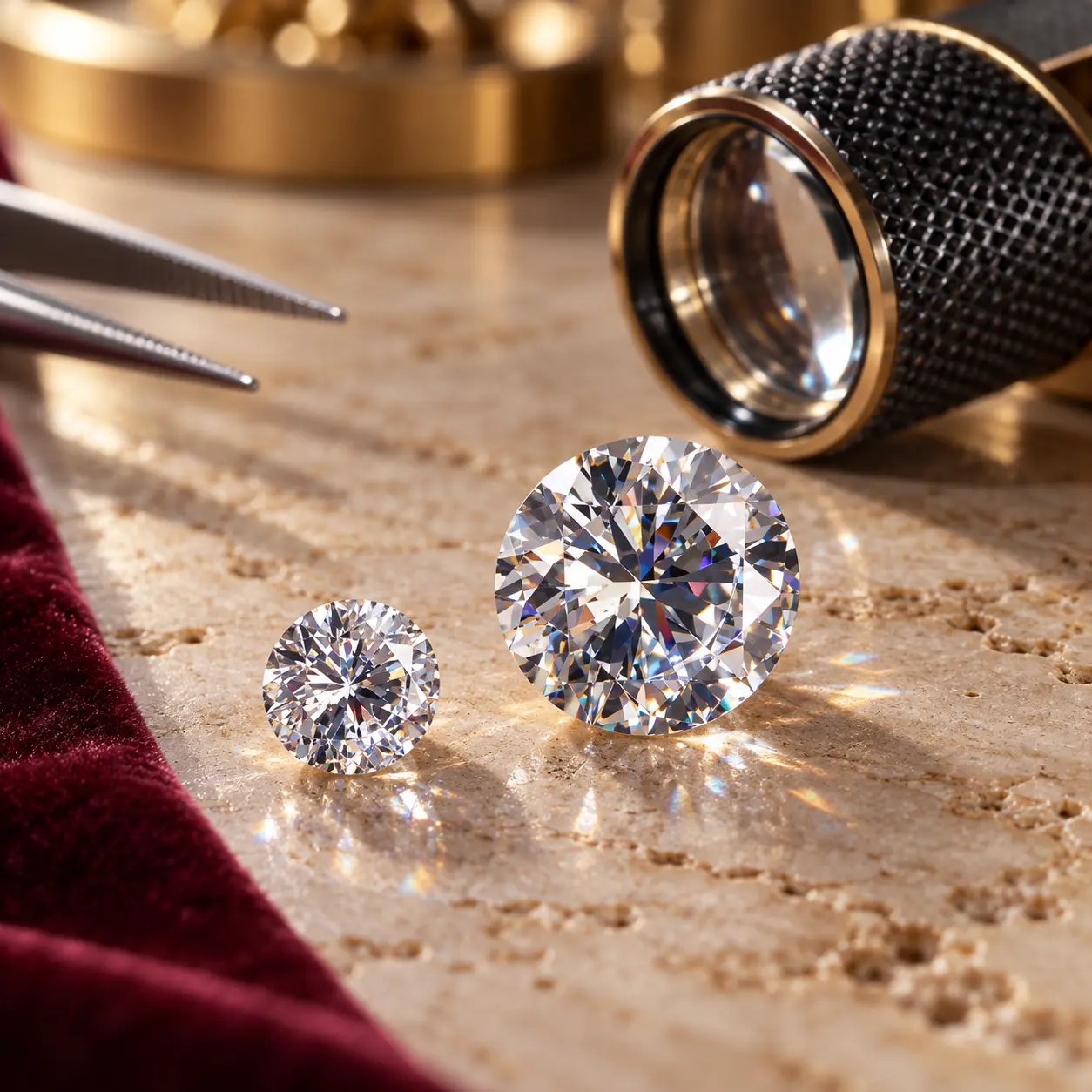
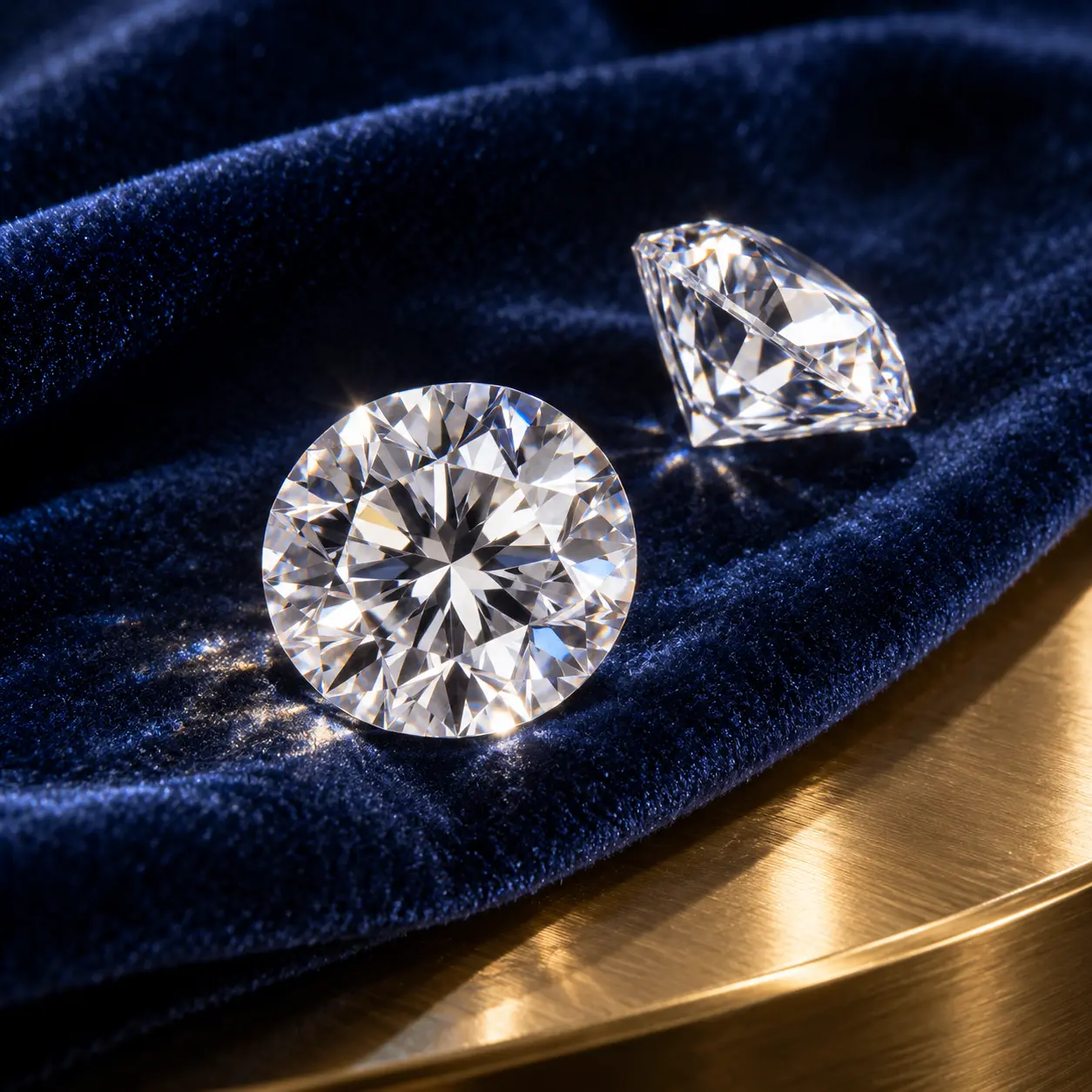
The lab-grown trade is learning to live with abundance
Marty Hurwitz, executive director of the US lab-grown trade body GDTO, told JCK that falling prices are normal for a technology product, and that the real questions are whether consumers keep buying, whether retailers can sell profitably and whether anyone can build value beyond the loose stone. "The strongest companies will not depend indefinitely on earning extraordinary margins from a loose stone," he said. His forecast, reported by The Jewellery Editor, is that lab-grown will take the overwhelming majority of diamond jewellery units while mined stones become a premium, branded category.
The same article reports that Regal Jewellers of Hatton Garden says 70% of its engagement rings are now lab-grown. Hurwitz's other finding cuts against years of marketing. His organisation, founded in 2024, expected shoppers to value sustainability ratings and production data. They did not. Buyers care about design, appearance, quality and price, roughly in that order, and sustainability at best strengthens a decision already made.
The mines are choosing scarcity
The Jewellery Editor's summary of JCK's mid-year mining roundup reads as a list of closures. Rio Tinto's Diavik mine in Canada delivered its final production in March 2026 after 23 years. Its neighbour Ekati filed for insolvency in the spring. Alrosa, the largest producer by volume, lost around $129 million in the first half of the year. Botswana's diamond export earnings fell by almost 30% in the first five months of 2026, although Debswana plans to lift output from 15 million carats to around 18 million, still well short of the 24 million produced before the downturn.
Supply cuts appear to be doing what they were meant to do. Analyst Paul Zimnisky observes they are putting a floor under rough prices, and Rapaport's polished index in July 2026 posted flat or positive numbers across all four major size categories for the first time since March 2025. Zimnisky warns that if the cutbacks continue, the inventory cushioning retailers could turn into shortages in 2027 and 2028. The article also reports a move by the mined side, with support from the World Jewellery Federation CIBJO, to push the classification from lab-grown towards synthetic, a labelling fight a buyer should notice when reading a ticket.
How the split shows up on Hatton Garden
The district already trades on both sides. Novita Lab Grown Diamonds at 67-68 Hatton Garden built its business on laboratory-grown stones, and HKD Diamonds on Hatton Garden positions itself around sustainability. On the mined and bespoke side, Rennie & Co at 105 Hatton Garden has handcrafted diamond rings for over 70 years as a family firm, and Arlington and Co at number 11 has manufactured diamond jewellery for more than five decades. Between them sit dozens of workshops that will set either stone in the same mount.
That is the practical meaning of the split. The mount, the setting work and the hallmark cost the same whichever stone goes in. The stone is now two different purchases with two different price curves, and the interpretation offered here is that a buyer should decide the category first and the shop second.
What to ask before you choose a category
Ask for the stone's description in writing with laboratory-grown or natural stated next to the word diamond, which UK consumer rules require. Ask which house issued the certificate and check the report number against that house's database. Ask what the same shop quoted for an equivalent lab-grown stone six months ago, with the date, because the lab-grown price has been falling and a quote from spring 2026 is already stale. Ask for the retail and resale figures separately and expect the gap to be large in both categories. And ask how the ring will be described on the insurance valuation, because the two categories are valued differently and the paperwork should say which one you own.